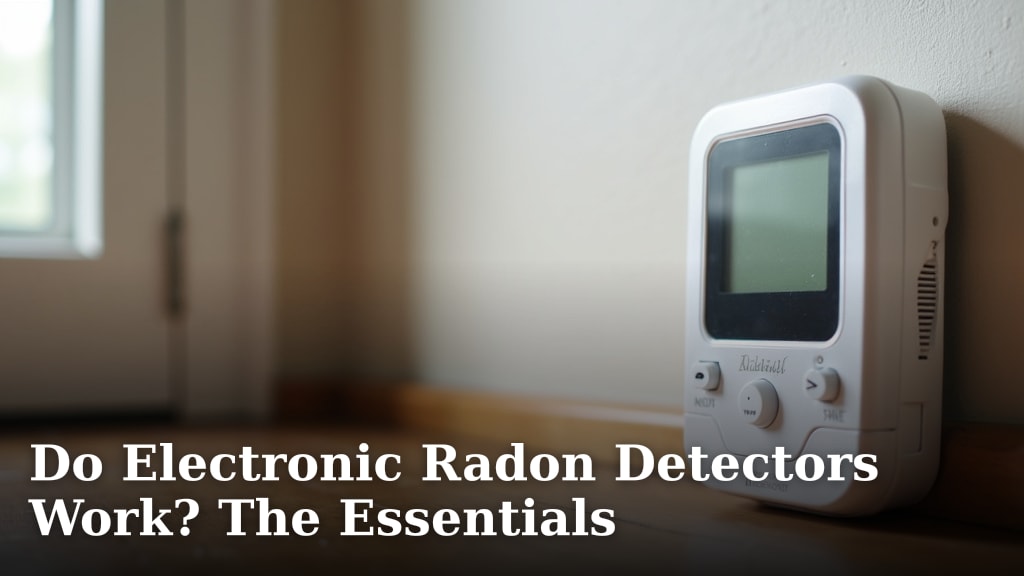
Do Electronic Radon Detectors Work? The Essentials
Yes, electronic radon detectors do work to help you monitor radon levels in your home. These devices offer a convenient and continuous way to check for this invisible gas. While they aren’t a substitute for professional testing for real estate transactions, they are effective for ongoing home monitoring. You can get a good sense of your home’s radon situation with one.
Understanding radon is essential for your family’s health. Radon is a naturally occurring radioactive gas that can seep into homes from the ground. While it’s impossible to completely eliminate, knowing your levels allows you to take action if needed. Electronic detectors provide real-time feedback, unlike traditional test kits which require lab analysis. This means you get faster, actionable information about your indoor air quality.
- Electronic radon detectors are effective for ongoing home monitoring.
- They provide real-time, continuous readings of radon levels.
- They offer a convenient alternative to traditional charcoal or alpha-track kits for regular checks.
- They are not typically used for official real estate transaction testing.
Ready to learn more about how these detectors function and what to look for? Let’s walk through the essentials of electronic radon detectors and how they can help you protect your home.
“`htmlHow Do Electronic Radon Detectors Actually Work?
You’re probably wondering if these modern gadgets can really tell you about radon in your home. The short answer is yes, they can. Electronic radon detectors use sensors to measure radon gas. They then display the results on a screen. This gives you a quick way to see your home’s levels.
Understanding the Technology Inside
Most electronic radon detectors use a small fan to pull air into the device. Inside, a sensor waits to detect radon decay. When radon particles are detected, they emit alpha radiation. This radiation interacts with the sensor, and the device counts these interactions. The more interactions, the higher the radon level. It’s a bit like a tiny Geiger counter for radon.
Types of Sensors Used
There are a couple of common sensor types. Some use semiconductor detectors. These change their electrical properties when hit by alpha particles. Others use photodiode detectors. These detect the light flashes produced by alpha particles. Both methods are designed to be sensitive to radon’s specific decay signature.
What the Readings Mean
The detectors typically display radon levels in picocuries per liter (pCi/L) or becquerels per cubic meter (Bq/m³). These are standard units for measuring radon. It’s important to know what these numbers mean for your health. The U.S. Environmental Protection Agency (EPA) suggests taking action if levels are 4 pCi/L or higher. Many experts recommend mitigation even at 2 pCi/L (EPA).
Continuous vs. Periodic Testing: What’s the Difference?
This is where electronic detectors really shine. Unlike traditional kits that test for a specific period, these devices offer continuous monitoring. This means they track radon levels 24/7. Why is this important? Radon levels can change throughout the day and year. They can be affected by weather, how much you use your fans, and even when you open doors or windows.
The Advantage of Real-Time Data
Imagine a sudden change in your basement. Maybe you’ve been running a new ventilation system. An electronic detector can show you immediately if this change impacts radon levels. You get instant feedback. This allows you to respond quickly if levels spike. Traditional kits require sending samples to a lab and waiting days or weeks for results. Electronic detectors provide that information right away.
Why Continuous is Better for Homeowners
For homeowners concerned about ongoing radon exposure, continuous monitoring is a big plus. It gives you a more complete picture. You can see if your mitigation system is working as it should. You can also see if seasonal changes, like colder weather that keeps windows shut, are affecting your indoor air quality. It’s like having a personal air quality guard.
Are Electronic Radon Detectors Reliable Enough?
This is the big question, isn’t it? We all want accurate information, especially when it comes to health. Research and product reviews suggest that many electronic radon detectors are reliable for home use. They can provide a good indication of your radon levels. However, there’s a crucial distinction to understand.
Accuracy and Professional Testing
For official purposes, like buying or selling a home, a short-term or long-term test kit sent to a lab is usually required. These kits are designed to meet specific testing standards for real estate transactions. Electronic detectors are primarily for your information and peace of mind. They are not typically certified for these official real estate tests. Think of it like this: your home thermostat tells you the temperature, but a certified weather station provides the official record.
Understanding Device Certifications
When choosing an electronic detector, look for devices that mention being tested or certified by independent organizations. Some manufacturers follow standards set by groups like the National Radon Safety Board (NRSB) or the Conference of Radiation Control Program Directors (CRCPD). While not a replacement for lab tests, these certifications can give you confidence in the device’s performance. It means the manufacturer has put their device through rigorous checks.
When to Rely on Your Detector
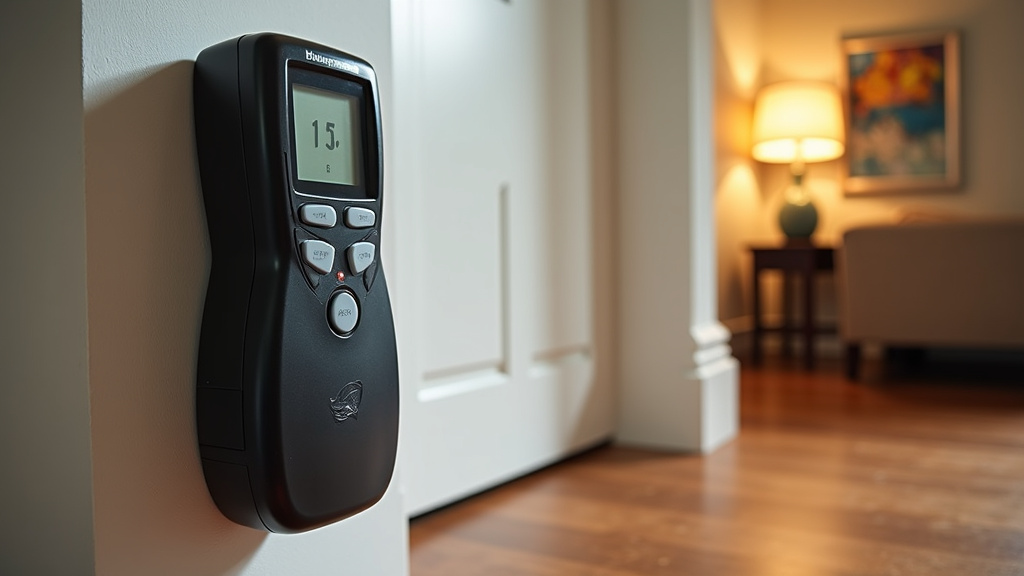
Your electronic radon detector is excellent for monitoring trends in your home. It can alert you if levels are consistently high. It can also help you track the effectiveness of any radon mitigation efforts you undertake. If your detector shows high levels, it’s always a good idea to follow up with a traditional, lab-analyzed test to confirm the readings.
Factors Affecting Detector Performance
Like any electronic device, radon detectors can be influenced by their environment. Extreme temperatures, high humidity, or direct sunlight can sometimes affect readings. Most modern detectors are designed to operate within normal home conditions. However, it’s wise to place your detector in a suitable location. Avoid bathrooms or kitchens where humidity is high. Follow the manufacturer’s instructions carefully for the best results.
Placement is Key
Where you put your detector matters. For the most accurate basement readings, place it on a solid surface, away from open windows or vents. In living areas, choose a spot where the air circulates normally. Avoid closets or tight spaces. The goal is to measure the air quality where you and your family spend the most time.
Comparing Electronic Detectors to Traditional Kits
Traditional radon test kits, like charcoal canisters or alpha-track detectors, are designed for a single, defined testing period. You place them for a specific number of days, then mail them off. This gives you a snapshot of radon levels during that time. Electronic detectors, on the other hand, provide a continuous stream of data.
| Feature | Electronic Detector | Traditional Kit |
|---|---|---|
| Data Type | Real-time, continuous | Snapshot over a period |
| Results | Instant on-screen display | Requires lab analysis, delayed results |
| Use Case | Ongoing home monitoring, trend tracking | Initial testing, real estate transactions |
| Cost | Higher initial cost, but reusable | Lower initial cost per test, disposable |
| Convenience | Always on, provides immediate alerts | Requires setup and mailing |
Making the Right Choice for Your Needs
If you’re just curious about your home’s radon levels, an electronic detector is a convenient tool. If you need to provide official results for a real estate closing, a traditional kit is the way to go. Many people find a combination works best. They might use an electronic detector for day-to-day peace of mind and a traditional kit for official purposes.
A Quick Checklist for Your Radon Detector Journey
Thinking about getting an electronic radon detector? Keep these points in mind:
- Understand that electronic detectors are for monitoring, not official real estate tests.
- Look for devices with certifications from reputable organizations if possible.
- Choose a location for your detector that reflects where you spend the most time.
- Follow the manufacturer’s placement and operating guidelines carefully.
- Be aware that radon levels can fluctuate, so continuous monitoring is beneficial.
- If you get high readings, confirm with a traditional lab test.
Conclusion
Electronic radon detectors are a reliable tool for ongoing home monitoring. They offer real-time insights into your home’s radon levels, helping you track trends and the effectiveness of any mitigation efforts. While they aren’t a replacement for official testing required for real estate transactions, their continuous data provides valuable peace of mind. By understanding how they work and placing them correctly, you gain a better sense of your indoor air quality. If your detector shows high readings, always confirm with a traditional lab-analyzed test for certainty.
Ready to take the next step? Consider investing in an electronic radon detector to actively monitor your home’s air quality and protect your family’s health.
Frequently Asked Questions
Do I need a special electronic detector for real estate transactions?
No, electronic radon detectors are generally not used for official real estate transactions. For those purposes, you typically need a short-term or long-term test kit that is sent to a laboratory for analysis. Electronic detectors are best suited for your personal home monitoring and peace of mind.
How often should I check my electronic radon detector readings?
The benefit of electronic detectors is their continuous monitoring. You can check the display anytime to see the current radon level. However, it’s most helpful to observe the trends over days, weeks, and months rather than just individual readings. This helps you understand how factors like weather might affect your home’s radon concentration.
Can a humid bathroom affect my radon detector’s accuracy?
Yes, high humidity can sometimes affect the performance of electronic radon detectors. It’s best to place your detector in a location with normal indoor humidity levels. Avoid placing it in bathrooms, kitchens, or near appliances that generate a lot of moisture. Always follow the manufacturer’s specific placement guidelines.
What is a good radon level to have according to my detector?
The U.S. Environmental Protection Agency (EPA) suggests taking action if radon levels are 4 picocuries per liter (pCi/L) or higher. Many experts also recommend considering mitigation if levels are consistently above 2 pCi/L. Your electronic detector will display readings in pCi/L or becquerels per cubic meter (Bq/m³).
My detector shows a high reading, what should I do next?
If your electronic radon detector shows consistently high radon levels, it’s a good idea to confirm these readings. The next step is to use a traditional, lab-analyzed radon test kit. This will provide a confirmed measurement, and if it’s also high, you should consult with a qualified radon mitigation professional.