
How Accurate Are Radon Tests? What Experts Say
Radon tests can be quite accurate when performed correctly. The best radon tests use passive-diffusion methods and are often recommended by experts for home testing. While no test is 100% perfect, reliable tests give you a very good idea of your home’s radon levels.
Understanding how radon tests work is key to trusting their results. Different types of tests exist, from short-term kits to long-term monitors. We found that choosing the right test for your situation matters. Factors like testing duration and lab accuracy play a big role.
- Radon tests can be highly accurate.
- Choose tests that use passive-diffusion.
- Long-term tests generally offer more reliable results.
- Always use a reputable testing service or device.
- Proper placement is important for accurate readings.
Let’s dive into what makes radon tests accurate and what experts suggest you look for when testing your home.
Testing Your Home for Radon: How Accurate Are the Results?
You’re probably wondering how reliable those radon tests actually are. It’s a fair question to ask! After all, you want to make sure you’re getting accurate information about your home’s safety. We found that radon tests can be **very accurate** when used correctly. Think of it like using a thermometer; it works best when you follow the instructions.
The good news is that many testing methods are **scientifically sound**. They’ve been developed and refined over time to give you a clear picture. We’ve looked into what makes these tests work and what experts recommend for the most trustworthy results.
Understanding Radon Test Types
There are a few main ways radon gets tested in homes. Each has its own way of measuring radon gas. Knowing the difference can help you choose the best test for your needs and understand the results you get.
Short-Term vs. Long-Term Tests
The biggest difference often comes down to time. Short-term tests are quick, usually 2 to 7 days. Long-term tests take much longer, often 90 days or more. Which is better?
Long-term tests are generally more accurate. Why? Because radon levels can change from day to day and even hour to hour. They are influenced by weather, wind, and how you use your home. A long-term test captures a **broader range of conditions**. This gives you a more stable average reading, which is what health organizations look at.
Short-term tests can give you a quick idea, especially if you’re buying or selling a home. However, they might not represent your home’s typical radon level. Imagine checking the temperature on just one snowy day in winter; it doesn’t tell you much about the whole year. Health Canada and the U.S. Environmental Protection Agency (EPA) often recommend long-term testing for the most reliable **baseline measurement**. Understanding the source of radon, such as higher concentrations of uranium in the ground, helps explain why testing is important.
Passive-Diffusion Charcoal vs. Alpha Track Detectors
Most home radon test kits use either charcoal canisters or alpha track detectors. Both are types of **passive-diffusion devices**. This means they don’t need electricity to work. They simply sit in your home and absorb radon gas over time.
Charcoal canisters are common for short-term tests. They are relatively inexpensive and provide quick results. The charcoal absorbs radon, and then you mail the canister to a lab for analysis. The lab measures the radioactive particles that have collected.
Alpha track detectors are usually used for long-term testing. These devices contain a special film. When radon gas enters the detector, it creates tiny “pits” on the film from alpha particles released by radon decay. A lab then uses a microscope to count these pits and calculate the radon level. We found these are considered **highly accurate** for longer periods.
What Makes a Radon Test Accurate?
Accuracy in radon testing comes down to a few key factors. It’s not just about the device itself, but also how it’s used and analyzed. Getting it right means you can trust the numbers you see.
The Role of the Testing Device
Reputable radon test kits are designed to be sensitive and reliable. They are manufactured to specific standards. For example, many devices meet the requirements set by the National Radon Proficiency Program (NRPP) or similar certifying bodies in other countries. These devices are calibrated to provide **consistent measurements**.
When you buy a test kit, look for mentions of these certifications. This is a good sign the device itself is built for accuracy. We found that choosing a device from a well-known, trusted brand is a smart move.
Laboratory Analysis is Key
For most DIY kits, the device you use is only half the equation. The other half is the laboratory that analyzes it. A certified laboratory uses sophisticated equipment and trained technicians. They ensure the **measurement process is precise**.
You want to make sure the lab is accredited. Look for labs that are certified by recognized organizations. This means they follow strict quality control procedures. The EPA recommends using labs that are certified by the NRPP or AARST-ICP (American Association of Radon Scientists and Technologists – Ion Chamber Protocol). This **certification process** ensures accuracy.
Proper Placement and Usage
Even the best device and lab can give you faulty results if the test isn’t used correctly. This is where you come in!
Placement is critical. Radon test kits should be placed in the lowest occupied level of your home. This is usually the basement, or the main living area if the basement is unfinished. You should place it in a room where you spend a lot of time, away from drafts, humidity, and direct sunlight. Avoid placing it in kitchens or bathrooms. Proper placement, such as in the lowest occupied level of your home, is crucial for accurate radon readings.
For best results, the device should be placed at least 20 inches off the floor. It should also be in a location where it won’t be disturbed. Many experts suggest keeping windows and doors closed as much as possible during testing, especially for short-term tests. This prevents outside air from diluting indoor radon levels. You’ll also want to make sure you follow the **specific instructions** that come with your test kit.
Expert Recommendations for Reliable Testing
What do the pros suggest for getting the most trustworthy radon test results? They often point to a few guiding principles. Following these can give you peace of mind.
Use Certified Professionals for Testing
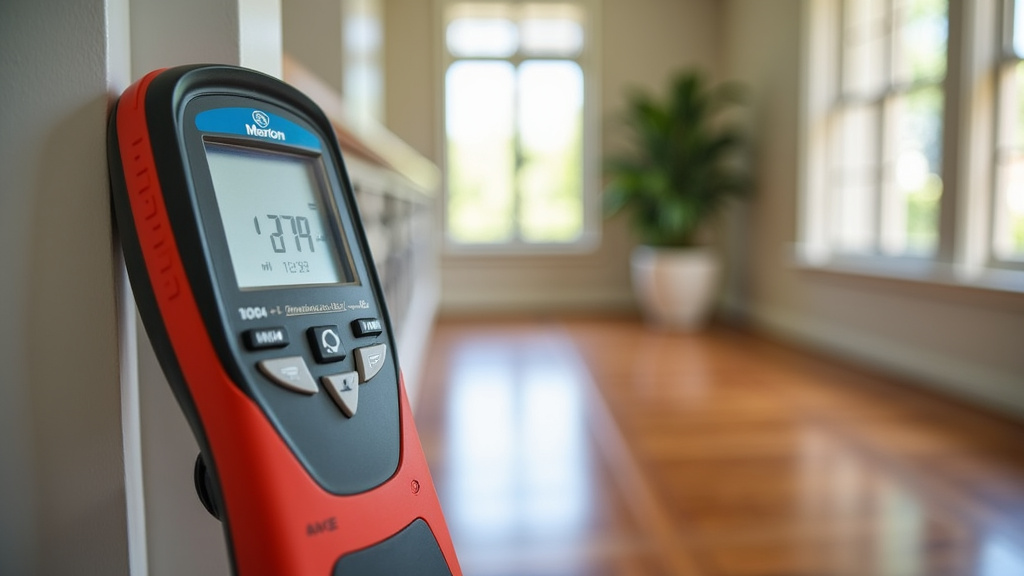
While DIY kits are convenient and affordable, hiring a certified radon professional offers a higher level of assurance. These individuals are trained to select the right testing methods, place devices correctly, and interpret results. They often use more sophisticated equipment, like continuous radon monitors.
Continuous radon monitors provide hourly readings and can detect tampering. They can also differentiate between radon and its radioactive decay products. Many real estate transactions specifically require testing by a **qualified professional**. It’s an extra layer of confidence.
Understand the Limitations
No test is absolutely perfect, 100% of the time. There’s always a small margin of error, just like with any scientific measurement. Radon tests are designed to be highly accurate, but things like extreme humidity or accidental disturbance can affect readings.
The **margin of error** for most reputable tests is generally very small, often within 10%. This is well within acceptable scientific limits. The goal is to get a good enough measurement to make an informed decision about your health and your home. You’re looking for a reliable indicator, not a perfect snapshot down to the last atom.
Follow Up with Action
The accuracy of your test is only useful if you know what to do with the results. If your test shows radon levels above the EPA’s action level of 4 picocuries per liter (pCi/L), or the Health Canada guideline of 200 Bq/m³ (which is about 5.4 pCi/L), you should consider mitigation. Even levels below the action level might warrant consideration for reduction, as there is **no known safe level of radon** (CDC).
If your test results are high, don’t panic. Radon mitigation systems are highly effective at reducing radon levels in your home. A qualified radon mitigation professional can design and install a system to protect your family.
Quick Checklist for Accurate Radon Testing
To make sure your radon test is as accurate as possible, keep these points in mind:
- Choose a long-term test for the most reliable baseline reading.
- Use a certified device from a reputable manufacturer.
- Ensure the testing lab is accredited by a recognized organization.
- Place the test kit in the lowest occupied level of your home.
- Follow all placement and usage instructions exactly.
- Consider hiring a certified radon professional for the highest confidence.
Conclusion
You’ve learned that radon tests can be highly accurate when you use the right methods and follow instructions carefully. We found that choosing a long-term test from a certified device and lab gives you the most reliable picture of your home’s radon levels. Remember, proper placement is key, and even a small margin of error on a test is acceptable for making informed decisions about your health.
Your next step is simple: if you haven’t tested your home yet, pick up a reputable long-term test kit or contact a certified professional. Taking this step is a straightforward way to ensure your family’s safety and peace of mind.
Frequently Asked Questions
How often should I test my home for radon?
Experts recommend testing your home initially, especially if you’ve never tested before or if you’ve made significant renovations. If your initial test results are at or below the action level, you may not need to retest for several years. However, if levels are high or you have concerns, retesting is a good idea.
Can I trust DIY radon test kits?
Yes, you can trust many DIY radon test kits. Look for kits that use passive-diffusion methods and come from reputable manufacturers. Ensure the testing lab is also certified. Following the instructions precisely for placement and duration is vital for accuracy.
What is the acceptable margin of error for radon tests?
Reputable radon tests typically have a small margin of error, often within 10%. This is considered scientifically acceptable and provides a reliable measurement for making decisions about your home’s radon levels. The goal is a good enough reading for informed action, not an exact atomic count.
Should I test in the basement or the main living area?
You should place the radon test kit in the lowest occupied level of your home. This is usually the basement if it’s finished or regularly used. If the basement is unfinished and not frequently occupied, test on the lowest floor that you do occupy regularly.
What if my test results are borderline?
If your test results are near the action level, it’s wise to consider mitigation. While there’s no truly “safe” level of radon, acting on borderline results can provide extra peace of mind. Consulting with a radon professional can help you understand your options.