Radon Monitors with Alarm System: A Useful Guide
Yes, radon monitors with alarm systems are a useful tool for protecting your home. They help you detect high radon levels quickly. This is important because radon is a colorless, odorless radioactive gas that can be harmful to your health.
We found that these devices offer peace of mind. They continuously track radon concentration in your living space. If levels become dangerous, the alarm alerts you immediately. This allows for prompt action to improve ventilation or contact professionals.
- Radon monitors with alarms are effective.
- They detect dangerous radon gas levels.
- Alarms provide immediate alerts.
- This helps protect your family’s health.
Let’s walk through what you need to know about these helpful devices to keep your home safe.
Understanding Radon Monitors with Built-in Alarms
So, you’re thinking about getting a radon monitor with an alarm? That’s a smart move. These devices are designed to give you a heads-up when radon levels in your home get too high. They act like a smoke detector, but for invisible, odorless radon gas. We found that having one can provide a lot of peace of mind.
The main job of these monitors is to continuously measure the concentration of radon gas in your air. They do this by using sensors that detect the radioactive decay products of radon. If the detected levels reach a point considered unhealthy, the alarm system kicks in. This alert is your signal to take action.
How Do Radon Monitors Work?
Think of a radon monitor as a tiny watchdog for your home’s air quality. It sits quietly, doing its work without you even noticing. Most monitors use one of a few common technologies to detect radon.
Sensor Technologies Explained
Some use alpha scintillation. This method involves a special material that emits light when it’s hit by alpha particles from radon decay. The amount of light detected tells the monitor how much radon is present. It’s a bit like a sensitive light meter.
Others rely on electret ion chambers. These use a charged disc that attracts ions produced by radon. As radon decays, it changes the charge on the disc. The monitor measures this change to calculate the radon level. We found this to be a common and reliable method.
A few models might use semiconductor sensors. These devices are sensitive to radiation and can detect the electrical signals produced when radon particles interact with them. Regardless of the specific technology, the goal is the same: accurate measurement.
The Role of the Alarm System
The alarm is the star of the show for many homeowners. It’s what makes these monitors different from basic testing kits. When radon levels rise above a predetermined safety threshold, the alarm sounds. This alert is usually a loud, clear sound that you can’t miss.
The threshold for alarms can often be set by the user. This allows you to customize it based on recommendations from health organizations. For instance, the Environmental Protection Agency (EPA) suggests taking action if your average radon level is 4 picocuries per liter (pCi/L) or higher (EPA). Your monitor’s alarm can be set to notify you around this level or a slightly lower one for extra caution.
We found that the immediate nature of an alarm is its biggest benefit. Instead of waiting for test results or periodic checks, you get an alert the moment levels become concerning. This is critical for protecting your family’s health.
Why You Need a Radon Monitor with an Alarm
Radon is a serious health concern, and a monitor with an alarm offers a direct way to manage that risk. It’s not just about knowing; it’s about knowing *when* it matters most.
Understanding Radon Health Risks
Radon is the second leading cause of lung cancer in the United States, after smoking. It’s a natural radioactive gas that comes from the breakdown of uranium in soil, rock, and water. It can seep into your home through cracks in the foundation, walls, or floors. Learn more about how radon comes from the breakdown of uranium in soil, rock, and water.
Because it’s colorless and odorless, you can’t detect it on your own. Long-term exposure to high levels of radon increases your risk of developing lung cancer. The scary part? You usually don’t know it’s there until it’s too late. Many experts agree that continuous monitoring is the best way to stay protected (CDC).
Benefits of Continuous Monitoring and Alerts
A radon monitor with an alarm provides ongoing protection. It doesn’t just give you a snapshot of radon levels over a few days, like some test kits. It watches your home’s air quality 24/7.
This constant vigilance is important because radon levels can change. Factors like weather, season, and even how you use your home can affect radon concentration. For example, in colder months, you might seal up your home more, trapping radon inside.
When the alarm sounds, you know something has changed. You can then investigate further and take steps to reduce the radon. This might involve increasing ventilation or contacting a radon mitigation professional. Research shows that reducing radon levels can significantly lower your risk of lung cancer (NIH).
Peace of Mind for Your Family
Knowing that your home is being monitored can bring significant peace of mind. You’re taking a concrete step to safeguard your loved ones from a hidden danger. This is especially important if you have children or elderly family members living with you, as they can be more vulnerable.
It’s like having a silent guardian working to keep your living space safe. You can relax, knowing that if radon levels climb, you’ll be alerted promptly. This allows you to act quickly rather than worrying about what might be happening unseen.
Choosing the Right Radon Monitor with Alarm
With several options available, selecting the best monitor for your needs is key. Consider these factors to make an informed choice.
Key Features to Look For
When you’re shopping, keep an eye out for these important features:
- Alarm Thresholds: Can you set the alarm level? This is important for meeting recommended guidelines.
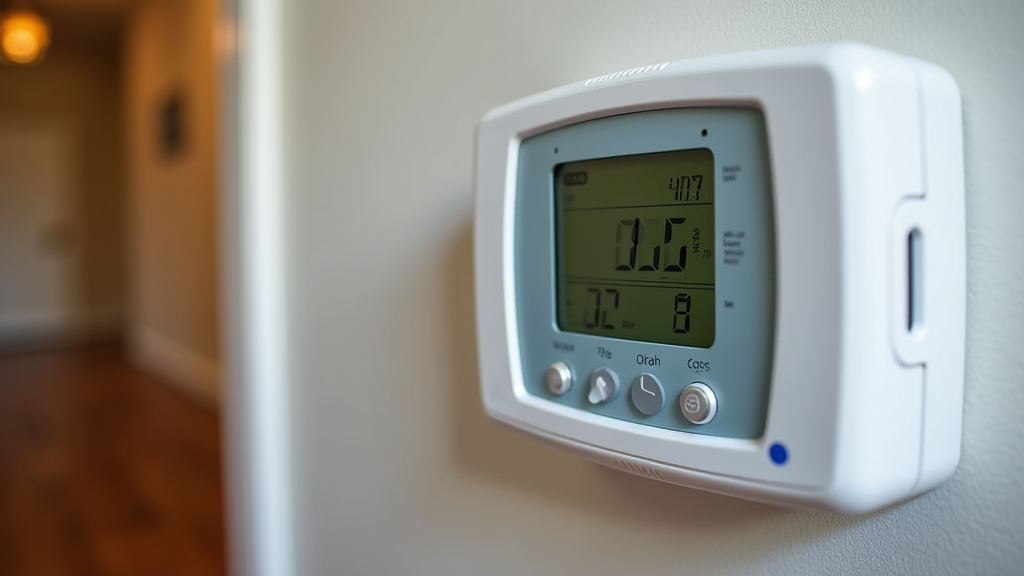
- Display: Does it show current radon levels clearly? Some models have simple digital readouts.
- Power Source: Is it battery-operated or does it plug into the wall? Battery backup is a nice safety net.
- Connectivity: Do you want Wi-Fi capabilities? Some monitors can send alerts to your phone.
- Certifications: Is the monitor certified by reputable organizations? Look for certifications like those from the EPA’s Radon program or independent testing labs.
Comparing Different Types of Monitors
Not all monitors are created equal. We found a table can help clarify the differences:
| Feature | Basic Digital Monitor | Smart Monitor (Wi-Fi) | Long-Term Charcoal Kit |
|---|---|---|---|
| Continuous Monitoring | Yes | Yes | No (measures a specific period) |
| Immediate Alarm | Yes | Yes | No (requires lab analysis) |
| Data Logging | Limited | Extensive (often cloud-based) | No |
| Portability | Good | Good (requires Wi-Fi access) | Excellent (for sampling) |
| Cost | Moderate | Higher | Low (but requires lab fees) |
The table shows that while charcoal kits are affordable, they don’t offer the continuous protection or immediate alarms of digital or smart monitors. For ongoing safety and peace of mind, a digital or smart monitor is usually the better choice.
Placement in Your Home
Where you put your monitor matters for accurate readings. Radon is heavier than air, so it tends to collect in lower levels of a home. You should place the monitor in a living space, not a basement that is rarely used.
Avoid placing it near windows, doors, or vents, as drafts can affect readings. Also, keep it away from humid areas like bathrooms or kitchens. The ideal spot is on a table or shelf in a central location in your main living area or bedroom.
Taking Action After an Alarm
An alarm is not the end of the story; it’s the beginning of a solution. What you do next is important for your home’s safety.
Understanding the Alarm Signal
First, don’t panic. Confirm the alarm is indeed for high radon levels and not another issue with the device. Check your monitor’s display to see the current radon concentration. If it’s above your set threshold or the EPA’s recommended action level of 4 pCi/L, it’s time to act.
Consider the duration of the high reading. Is it a spike, or has the level been elevated for a while? Your monitor’s history log can help you understand this. A sustained high reading is a stronger indicator of a problem.
Steps for Reducing Radon Levels
If the alarm indicates a problem, here are some steps you can take:
- Increase Ventilation: Open windows and doors to air out your home. This is a temporary fix but can quickly reduce levels in an emergency.
- Check for Cracks: Inspect your foundation, basement walls, and floors for any visible cracks or openings where radon might be entering.
- Consult a Professional: The most effective long-term solution is often professional radon mitigation. A certified radon professional can install a system to vent radon from beneath your home. Many guidelines recommend this for levels above 4 pCi/L (EPA).
- Retest: After any mitigation efforts, it’s wise to retest your home’s radon levels to ensure the problem has been resolved.
When to Call a Professional
If your radon monitor consistently shows high levels, or if the alarm goes off and you’re unsure what to do, it’s time to call a professional. Look for a certified radon mitigation specialist. They have the training and equipment to diagnose the source of the radon and install effective solutions.
We found that professionals can also advise on the best mitigation system for your specific home. This might involve sub-slab depressurization, drain-tile depressurization, or sump-pit depressurization systems. These systems work to pull radon gas from the ground and vent it safely away from your home.
Your Home Safety Checklist
Here’s a quick rundown to keep your home protected:
- Get a Monitor: Purchase a radon monitor with an alarm feature.
- Install Correctly: Place it in a main living area, away from drafts.
- Set Threshold: Adjust alarm settings to recommended levels if possible.
- Understand Alerts: Know what to do if the alarm sounds.
- Ventilate Temporarily: Open windows when the alarm goes off.
- Consider Mitigation: Contact a professional for long-term solutions if needed.
Conclusion
You’ve learned that radon monitors with alarms are a smart investment for your home’s health. They offer continuous peace of mind by detecting dangerous radon gas levels. Quick alerts mean you can take action faster to protect your family from this invisible threat. Remember to choose a monitor with features that suit your needs and place it correctly for accurate readings.
Your next step should be to identify a suitable monitor and get it installed. Don’t wait to give your home this important layer of protection.
Frequently Asked Questions
How often should I test my home for radon if I have a monitor with an alarm?
Once your monitor is set up, it runs continuously, so you don’t need to do separate tests. The monitor is always watching. You only need to take action if the alarm sounds or if the display shows elevated levels.
Can a radon monitor with an alarm be moved between rooms?
Yes, you can move most radon monitors with alarms. However, it’s best to place them in a primary living area for the most representative readings. Avoid placing them near open windows, vents, or in very humid areas.
What is considered a high radon level that should trigger an alarm?
The EPA recommends taking action if your average radon level is 4 picocuries per liter (pCi/L) or higher. Many monitors allow you to set the alarm threshold around this level or even lower for added caution.
Do radon monitors with alarms require a power outlet?
Most radon monitors plug into a standard wall outlet. Many also have a battery backup feature. This ensures that your home remains monitored even if there’s a power outage.
Are smart radon monitors that send phone alerts worth the extra cost?
Smart monitors offer convenience by sending alerts directly to your phone. This can be very useful if you’re often away from home or want immediate notification. For many, this peace of mind justifies the higher price.