
What Is a Short Term Radon Test? A Direct Answer
A short term radon test is a quick way to check your home’s radon levels. It typically takes anywhere from 2 to 90 days. This type of test uses a device that passively collects radon gas in the air. It provides a good snapshot of your home’s radon concentration.
While not as precise as long-term tests, short term tests are excellent for initial screening. They can help you decide if further testing or mitigation is needed. Many homeowners find them a convenient starting point for radon awareness.
- A short term radon test measures radon for a few days to months.
- It’s a fast way to get an idea of your home’s radon levels.
- Useful for screening before major decisions.
- Results are generally available quickly.
- Not as precise as longer tests but still helpful.
Ready to learn more? Below, we’ll dive deeper into what exactly a short term radon test entails and how it can help you.
Understanding Short Term Radon Testing for Your Home
A short term radon test is a quick and easy way to get an initial reading of radon levels in your home. It helps you understand if there’s a potential problem that needs more attention. Think of it as a quick check-up for your house’s air quality.
These tests typically run for a period of 2 to 7 days. Some can go up to 90 days, but the most common ones are the shorter ones. They are designed to give you a good snapshot, like taking a quick photo rather than a long, drawn-out movie.
How a Short Term Radon Test Works
Short term radon tests use passive collection devices. This means they don’t need electricity or batteries to operate. They simply sit in a room and collect radon gas from the air over a set period. We found that these devices are quite effective for their intended purpose.
After the testing period, you typically send the device to a laboratory for analysis. Some newer devices offer digital readouts, giving you results almost instantly. This quick turnaround is one of the main advantages. Many experts say this speed is helpful for busy homeowners.
Types of Short Term Test Devices
There are a few common types of devices used for short term radon testing:
- Charcoal canisters: These absorb radon gas. You send them to a lab, and they measure the radioactivity.
- Electret ion chambers: These use an electrically charged disk. Radon gas decays and releases ions, which neutralize the charge. The lab measures the change in charge.
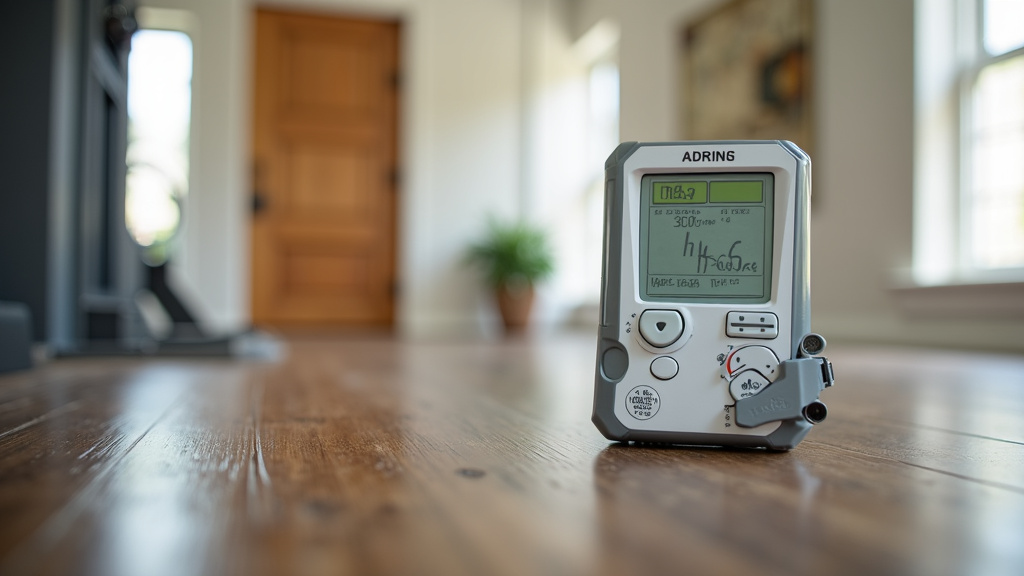
- Digital radon monitors: These are electronic devices that provide real-time or near-real-time radon readings. They are often more expensive but offer immediate results.
We found that the choice often comes down to budget and how quickly you need the results. For a general screening, any of these can be a good starting point.
Why Use a Short Term Radon Test?
So, why would you choose a short term test over other options? The main reason is speed and convenience. If you’re buying or selling a home, you often need results quickly. A short term test can provide that answer.
It’s also a great way to see if radon is a concern in your home before committing to more expensive, long-term testing or radon mitigation systems. You wouldn’t buy a fancy air purifier without first checking if your air quality is even an issue, right? This test helps you make that initial determination.
Screening for Radon Issues
Short term tests are excellent for screening purposes. They can tell you if your radon levels are elevated enough to warrant further investigation. The Environmental Protection Agency (EPA) suggests that any level above 4 picocuries per liter (pCi/L) should be addressed.
If your short term test comes back high, it’s a clear signal to take action. This might involve running a long term test for a more accurate picture or contacting a radon mitigation professional. We found that many homeowners feel more confident taking these steps after a clear initial reading.
Convenience for Homeowners
The simplicity of these tests is another big plus. You usually just place the device in a basement or main living area. You need to follow specific instructions, like keeping windows and doors closed during the test period. This ensures accurate results.
After the designated time, you either send the device off or read the digital display. The whole process is designed to be user-friendly. Many people can manage it without needing a professional to place the device, which saves time and money upfront.
What the Results Mean
When you get your results, they will be in picocuries per liter (pCi/L). This is the standard unit for measuring radon concentration. As we mentioned, the EPA recommends taking action if levels are 4 pCi/L or higher (EPA).
It’s important to remember that short term tests provide an average reading over the testing period. Radon levels can fluctuate daily due to weather, wind, and how much you ventilate your home. This is why a long term test is considered more definitive.
Interpreting Short Term Test Levels
A short term test gives you a good indication, but it’s not the final word. If your short term test shows levels below 4 pCi/L, it’s a good sign. However, some experts suggest that even levels between 2 and 4 pCi/L might warrant further monitoring or discussion with a professional. We found that understanding these nuances helps homeowners make informed decisions.
If your short term test shows levels above 4 pCi/L, it’s time to consider a follow-up test. A 90-day or longer test will give you a more accurate average of your home’s radon concentration over different seasons. This is often recommended by radon professionals.
Short Term vs. Long Term Radon Testing
To truly understand the difference, let’s look at how short term tests compare to long term ones. Long term tests, which usually run for 90 days or more, provide a more stable average of radon levels. They capture seasonal variations better.
Short term tests are like a quick snapshot. Long term tests are like a detailed documentary. Both have their place.
| Feature | Short Term Test (2-7 days typical) | Long Term Test (90+ days) |
|---|---|---|
| Duration | Quick (days) | Extended (months) |
| Purpose | Initial screening, quick check | Accurate average, definitive results |
| Accuracy | Provides an indication, can fluctuate | More stable, reflects seasonal changes |
| Cost | Generally less expensive | Can be slightly more expensive |
| Ideal Use | Before buying/selling, initial assessment | Confirming high readings, final decision-making |
We found that many people start with a short term test and then proceed to a long term test if the initial results are concerning. This approach balances cost, speed, and accuracy effectively.
Common Questions About Short Term Tests
You might have a few questions swirling around. Let’s address some common ones. What if I forget to keep the windows closed? Following the manufacturer’s instructions is important for accurate readings. Deviations can affect the results. We found that clear instructions are key to user success.
Can I do this myself? Yes, for most short term tests, you can perform the testing yourself. Just be sure to read and follow the instructions carefully. This is a DIY-friendly way to check your home.
When to Conduct a Short Term Test
There are several good times to consider a short term radon test:
- When buying or selling a home: It’s often a standard part of the inspection process.
- If you’re considering radon mitigation: You need a baseline reading first.
- After major renovations: Changes to your home’s structure could potentially affect radon entry.
- If you’ve never tested before: It’s wise to know your home’s radon status.
- If your neighbors have high radon levels: Radon can vary by lot, but nearby issues are worth checking.
Think of it as a general health check for your house. It’s better to know than to guess when it comes to radon.
Things to Keep in Mind for Accurate Results
To ensure your short term radon test is as accurate as possible, follow these tips. Keep the testing device in its location for the full recommended duration. Don’t move it around or place it in areas that aren’t representative of the living space.
Also, pay close attention to the “closed-house conditions” requirement. This means keeping windows and exterior doors closed as much as possible for at least 12 hours before and during the test. You can still use your heating and cooling systems as normal. We found that adhering to these simple rules significantly improves data quality.
Proper Placement of the Device
Where you place the test matters. For most tests, you’ll want to place the device in the lowest lived-in level of your home. If you spend a lot of time in the basement, that’s a good spot. If not, the main floor is often recommended.
Avoid placing the device in bathrooms, kitchens, or laundry rooms. These areas tend to have higher humidity and drafts, which can interfere with the test. The goal is to test a typical living space, not an area with unusual air circulation. Many experts suggest placing it away from vents or windows.
A Quick Checklist for Your Test
Here’s a handy checklist to make sure you’re on the right track:
- Read the test kit instructions thoroughly.
- Choose the correct location in your home.
- Ensure closed-house conditions during the test.
- Don’t move the testing device once placed.
- Send the device to the lab promptly after the test period.
- Note the start and end dates and times for your records.
Following these steps helps ensure you get reliable information about your home’s radon levels. This makes your decision-making process much easier.
Conclusion
You’ve learned that a short term radon test is your home’s quick health check for radon gas. It’s a fast, convenient way to get an initial reading, especially useful before making big decisions like buying or selling a home. While not as precise as longer tests, it effectively screens for potential issues.
By understanding how these tests work and following simple placement and closed-house rules, you can get reliable information. If your short term test shows concerning levels, it’s your signal to take the next step, perhaps with a long term test or professional advice. Knowing your home’s radon status is the first step to a safer environment.
Frequently Asked Questions
How long does a short term radon test usually take?
Most short term radon tests run for 2 to 7 days. Some kits might allow for testing up to 90 days, but the quickest and most common ones are designed for a period of under a week. This short duration provides a snapshot of your home’s radon levels.
What is considered a high radon level on a short term test?
The EPA recommends taking action if your radon levels are 4 picocuries per liter (pCi/L) or higher. A short term test giving you a reading at or above this level is a strong indicator that further testing or mitigation should be considered.
Can I do a short term radon test myself?
Yes, you can almost always perform a short term radon test yourself. Most kits are designed for easy DIY use. Simply follow the provided instructions carefully, especially regarding placement and keeping the house closed during the testing period.
What’s the difference between a short term and a long term radon test?
A short term test gives you a quick snapshot over a few days, ideal for initial screening. A long term test, typically 90 days or more, provides a more accurate average by capturing daily and seasonal fluctuations. We found long term tests are better for definitive decisions.
What should I do if my short term radon test comes back high?
If your short term test shows levels above 4 pCi/L, it’s recommended to conduct a follow-up test. A longer term test (90+ days) will give you a more reliable average and help confirm if mitigation is truly needed.