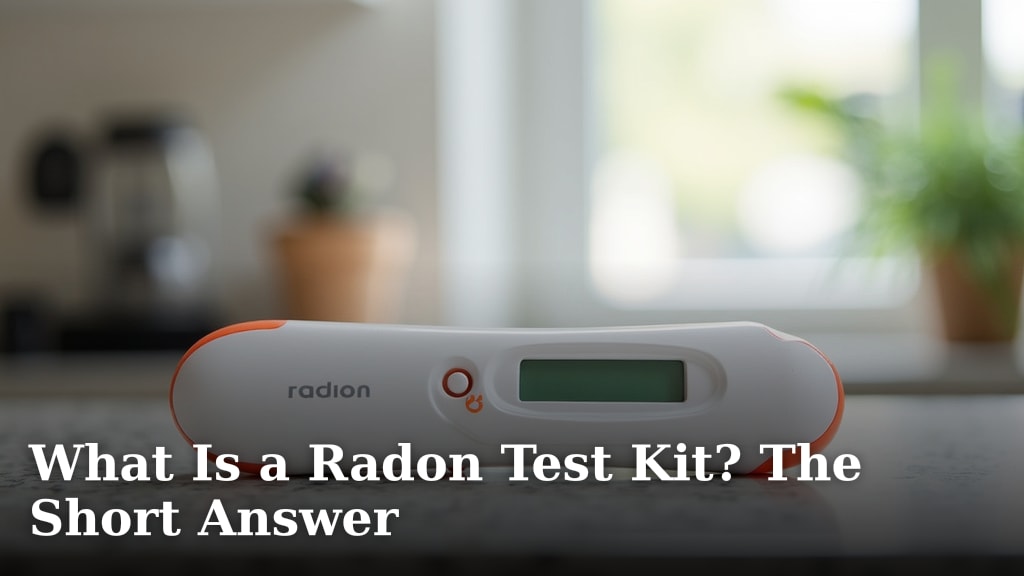
What Is a Radon Test Kit? The Short Answer
A radon test kit is a simple device used to measure the amount of radon gas in your home. Radon is a naturally occurring radioactive gas that can seep into buildings from the ground. Testing for it is important for your family’s health.
These kits are a primary tool for homeowners concerned about radon levels. They provide a way to take the guesswork out of radon detection. Many experts agree that testing is the only way to know if your home has elevated radon. It’s a straightforward process.
- A radon test kit measures radon gas.
- Radon is a radioactive gas from the soil.
- Testing is the only way to know your levels.
- It helps protect your family’s health.
Let’s walk through what a radon test kit is and why it matters for your home’s safety.
Understanding Your Home’s Radon Safety: What a Test Kit Does
So, you’re wondering what exactly a radon test kit is and how it helps keep your home safe? Think of it as your home’s personal radon detective. It’s a device designed to capture and measure the amount of radon gas present in your living space. Radon is an invisible, odorless gas that comes from the natural breakdown of uranium in soil, rock, and water. It can seep into your home through cracks and openings in your foundation. This little kit helps you find out if those levels are a concern.
The primary goal of a radon test kit is simple: to give you a clear reading of radon concentration. This measurement is usually given in picocuries per liter (pCi/L) of air. The U.S. Environmental Protection Agency (EPA) suggests that if your home tests at or above 4 pCi/L, you should consider taking action to reduce the radon levels. Some people choose to fix their homes even if the levels are between 2 and 4 pCi/L. Getting a reading is the first step to ensuring your family breathes safe air.
How a Radon Test Kit Works: The Basics
At its core, a radon test kit uses a method to collect radon gas from the air over a specific period. Different types of kits use slightly different technologies. Some might use activated charcoal to absorb the radon. Others might use solid-state alpha-track detectors. The key is that they trap the radon so its radioactivity can be measured later. It’s like a tiny air collector doing an important job.
The collection period is important. Radon levels can fluctuate throughout the day and year. Most short-term test kits are designed to run for 2 to 7 days. This gives you a good snapshot of your home’s radon levels. Longer-term tests, sometimes called charcoal canisters or alpha-track detectors, can run for 90 days or more. These provide an even more accurate average of your home’s radon. The goal is to get a representative sample of the air you and your family breathe.
Types of Radon Test Kits
You’ll find a few main types of radon test kits available to homeowners. Each has its pros and cons, but all aim to give you a reading. The most common are short-term test kits. These are quick and easy to use, making them popular for initial screening. They are great for getting a fast idea of your home’s radon situation.
Then there are long-term test kits. These kits measure radon levels over a longer period, typically 90 days or more. Because they capture average radon levels over a longer time, they often provide a more reliable picture. If you want the most accurate assessment, a long-term test is often recommended by experts. This gives you a better understanding of your home’s typical radon exposure.
Where to Get a Radon Test Kit
Finding a radon test kit is usually quite straightforward. You can often purchase them directly from online retailers. Many hardware stores also carry them. Some local health departments or university extension offices might even offer kits at a reduced cost or provide information on where to find them. When you buy one, make sure it’s from a reputable source. Look for kits that meet EPA testing protocols if you are in the United States.
Why Testing Your Home for Radon Matters
You might be wondering why all the fuss about radon. Well, radon is the second-leading cause of lung cancer in the United States, after smoking. It’s a serious health concern. The scary part? You can’t see, smell, or taste it. The only way to know if your home has dangerous levels is to test for it. This is why these kits are so essential for homeowners concerned about health.
The health risks are primarily linked to prolonged exposure. Breathing in radon gas means you’re also breathing in radioactive particles. These particles can damage the cells in your lungs over time. The risk is higher for smokers, but non-smokers can also develop radon-induced lung cancer. It’s a risk that can be managed with simple testing and mitigation if needed. It’s about protecting your loved ones from an invisible threat.
Understanding Radon Levels and Health Risks
The EPA has established action levels for radon. A reading below 2 pCi/L is generally considered good. Between 2 and 4 pCi/L, it’s advised to consider mitigation. Anything 4 pCi/L or higher means you should definitely take action to reduce the radon levels in your home. These levels are based on extensive research into lung cancer risks associated with radon exposure (CDC).
It’s important to remember that radon is found in all homes to some degree. It’s a naturally occurring substance. The concern arises when levels become elevated and stay that way for extended periods. If you’re buying or selling a home, a radon test is often a standard part of the inspection process. It’s a proactive measure that can prevent future health issues and unexpected costs. Knowing your numbers is key to peace of mind.
Using Your Radon Test Kit: A Step-by-Step Guide
Using a radon test kit is generally a straightforward process, designed for DIY homeowners. The instructions that come with your kit are your best friend here. They will guide you through the specific steps for your device. However, there are some general principles that apply to most kits to ensure accurate results.
First, find the right spot. You’ll want to place the test kit in the lowest lived-in level of your home. This is typically where radon concentrations are highest. Avoid placing it in a basement that you only use for storage. If you spend a lot of time in your basement or a home office on that level, that’s where you should test. You also want to place it away from drafts, open windows, and heating/cooling vents to avoid skewing the results. Think of it as finding a spot where the air is as representative of your everyday living as possible.
Placement and Timing for Accurate Results
Make sure the test kit is placed at least 20 inches above the floor. This is a common recommendation to get the best air sample. You’ll also want to follow the specific duration for your test. Short-term kits usually require 2 to 7 days of continuous testing. Do not disturb the test kit during this time. Keep windows and doors closed as much as possible, except for normal entry and exit. This is often referred to as “closed-house conditions” and is critical for accurate short-term testing.
For long-term tests, you’ll place the detector and leave it for 90 days or more. Again, keep the house closed as much as possible during this entire period. Once the testing period is complete, you’ll seal the device according to the instructions. Some kits require you to mail the device to a lab for analysis. Others might have a way for you to read the results yourself. Always follow the manufacturer’s specific directions for sealing and returning your test.
What Happens After You Test?
Once you have your radon test results, you’ll have a much clearer picture of your home’s radon situation. If the levels are low, congratulations! You’ve taken an important step to confirm your home is safe. You may want to retest periodically, perhaps every few years, or if you make significant changes to your home’s structure. Radon levels can change over time.
If your test results show elevated radon levels, don’t panic. This is exactly why you tested. The good news is that radon can be effectively reduced with a process called radon mitigation. This typically involves installing a system that draws radon gas from beneath your home and vents it safely outside. A professional radon mitigation contractor can assess your home and install a system tailored to your specific needs. It’s a manageable problem with a proven solution.
Interpreting Your Radon Test Results
Interpreting your results is usually straightforward. If you used a lab, they will send you a report with the radon concentration in pCi/L. If you have a DIY test that you read yourself, the device will indicate the level. Remember the EPA’s action level: 4 pCi/L or higher indicates a need for mitigation. Readings between 2 and 4 pCi/L suggest you should consider mitigation. Anything below 2 pCi/L is generally considered safe. Consulting the EPA or your local health department can provide further guidance on understanding your specific results.
It’s also helpful to know the difference between short-term and long-term test results. A short-term test gives you a quick idea, but a long-term test provides a more stable average. If your short-term test is high, you might want to do a long-term test to confirm before investing in mitigation. Some professionals recommend averaging the results of two short-term tests taken at different times if a long-term test isn’t feasible. This can provide a more reliable reading than a single short-term test.
Your Radon Testing Checklist
Ready to get started or just need a quick reminder of the key steps? Here’s a simple checklist to guide you through the process of testing your home for radon:
- Choose your kit: Decide between short-term or long-term testing.
- Find the right spot: Place the kit on the lowest lived-in level of your home.
- Ensure proper placement: Keep it at least 20 inches from the floor and away from drafts.
- Follow timing instructions: Test for the full duration specified (e.g., 2-7 days for short-term, 90+ days for long-term).
- Maintain closed-house conditions: Keep windows and exterior doors closed during testing.
- Submit or read results: Follow instructions for lab submission or self-reading.
Conclusion
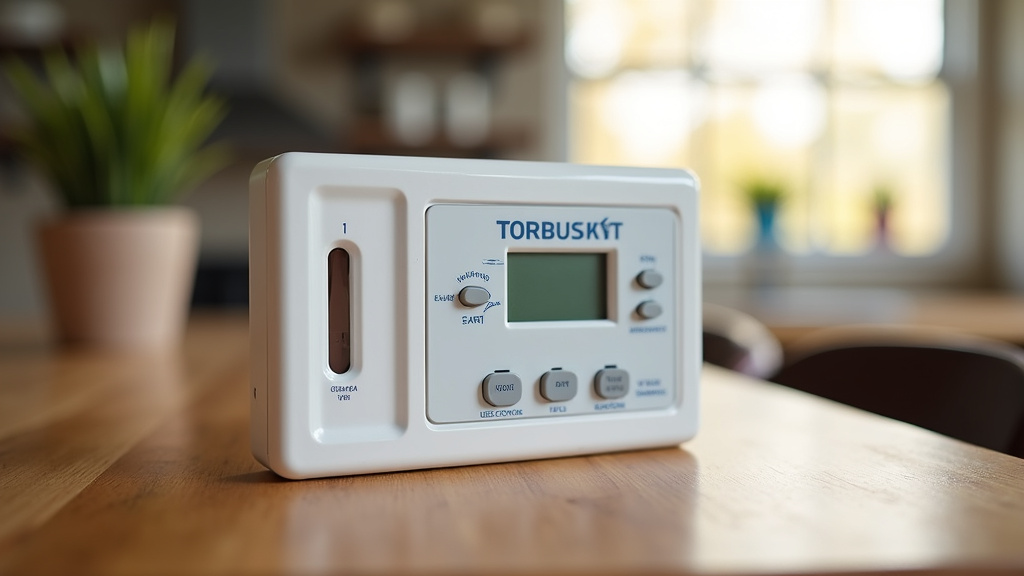
You’ve learned that a radon test kit is your essential tool for understanding your home’s air quality. It’s a simple device that can detect a serious, invisible health risk. Knowing your home’s radon levels is the first step to protecting your family’s health. Don’t let guesswork leave you exposed. Take action today by getting your home tested. It’s a small effort for significant peace of mind.
Frequently Asked Questions
How long does a radon test kit take to give results?
Short-term test kits typically require 2 to 7 days to collect a sample. After the testing period, you may need to mail the kit to a lab for analysis, which can add a few more days to the total time. Some kits offer self-reading options that provide immediate results after the collection period.
Can I reuse a radon test kit?
Generally, no. Most radon test kits are designed for a single use. The collection medium, like activated charcoal or alpha-track detectors, becomes saturated or is altered during the measurement process. Always use a fresh kit for each test you conduct.
Where is the best place to put a radon test kit in my home?
The best placement is on the lowest lived-in level of your home, typically a basement or main floor where you spend a lot of time. It should be at least 20 inches from the floor and away from windows, doors, and vents to ensure accurate air sampling.
What should I do if my radon test results are high?
If your test shows levels at or above 4 picocuries per liter (pCi/L), you should consider radon mitigation. This involves installing a system to reduce radon gas. Contacting a qualified radon mitigation professional is the next step to discuss solutions for your home.
Are DIY radon test kits accurate enough?
Reputable DIY radon test kits that meet EPA testing protocols can provide accurate results when used correctly. Following the manufacturer’s instructions precisely, especially regarding placement and closed-house conditions, is key to getting a reliable reading.