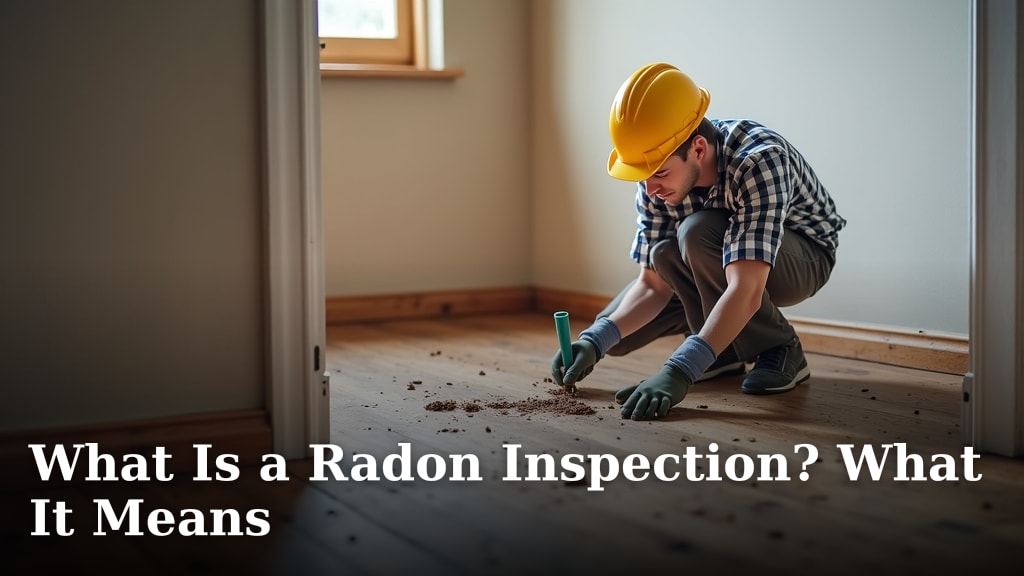
What Is a Radon Inspection? What It Means
A radon inspection is a professional assessment of your home or building for the presence of radon gas. This invisible, odorless gas can seep into homes from the ground. It’s important because prolonged exposure to high levels of radon can be a serious health risk. Your health and safety are the main reasons for this check.
Radon inspections typically involve using special equipment to measure radon levels over a specific period. This testing is vital, especially if you’re buying a home or if your home is located in an area known for higher radon concentrations. Many experts recommend testing, even in newer homes.
- Radon is a naturally occurring radioactive gas.
- It can enter any building. Understand how radon can enter any building from the ground.
- Radon testing is key for home safety.
- The inspection measures the gas levels in your home.
Let’s get into what a radon inspection involves and why it matters so much for your peace of mind. We’ll cover what the results mean for you.
Understanding What a Radon Inspection Entails
So, what exactly happens during a radon inspection? Think of it like a doctor checking your home’s vital signs for a specific gas. A radon inspection involves a trained professional using specialized equipment to measure the concentration of radon gas in your home. This isn’t a DIY job for most people. It requires accurate testing devices and knowledge of how to place them correctly.
The goal is simple: to get a clear picture of the radon levels in the living spaces of your home. These levels can change, so the testing needs to be done carefully. We’ll walk you through what this process looks like and why it’s so important for your health.
The Radon Testing Process Explained
When you schedule a radon inspection, a certified professional will come to your home. They will decide the best places to set up their testing devices. These are typically the main living areas. This often includes bedrooms, living rooms, and basements where people spend the most time. They want to measure the air you breathe most often.
The testing devices are usually small. They are placed away from drafts or direct sunlight. This ensures the most accurate reading possible. The goal is to capture the radon concentration that would be present during normal living conditions. This means closing windows and doors during the test period is often recommended.
Types of Radon Tests
There are a couple of main ways radon is tested. The most common and reliable methods involve testing over a longer period. This is because radon levels can fluctuate daily and seasonally. Short-term tests, usually 2 to 7 days, give you a quick snapshot. Long-term tests, often 90 days or more, provide a more stable average.
Many professionals prefer long-term tests because they reflect a more accurate picture of your home’s average radon exposure. However, if you’re buying a home and need a quick answer, a short-term test might be used. Your inspector will explain which method is best for your situation. They’ll make sure the test follows established guidelines.
What the Radon Testing Equipment Looks Like
You might picture a science lab with bubbling tubes. Radon testing equipment is much simpler than that. The most common devices are either:
- Electret Ion Chambers (EICs): These are small, disc-shaped devices that measure radon by detecting ions in the air.
- Charcoal Canisters: These are small containers filled with activated charcoal. The charcoal absorbs radon gas from the air.
- Radon Detectors: Newer digital devices can also be used, often providing continuous readings.
These devices are sensitive and need to be handled with care. The inspector will ensure they are placed correctly and retrieved after the designated testing period. The device then gets sent to a lab for analysis, or a digital device will provide the readings directly.
Interpreting Your Radon Test Results
Once the testing is complete, you’ll receive a report. This report will state the radon levels found in your home. The measurement is usually given in picocuries per liter of air, or pCi/L. This is the standard unit of measurement in the United States.
It’s important to understand what these numbers mean for you and your family. The U.S. Environmental Protection Agency (EPA) provides guidelines for action. They want to help you make informed decisions about your home’s safety. We’ll look at those guidelines next.
Understanding Radon Measurement Units (pCi/L)
The unit pCi/L might sound technical. Let’s break it down simply. A picocurie is a tiny unit of radioactivity. One picocurie means that a substance is decaying one time per second. So, a radon level of 4 pCi/L means there are, on average, 4 radioactive decays per second in every liter of air you are breathing.
Remember, radon is a gas. It can accumulate in the air. Higher concentrations mean more radioactive particles are present. This is what can increase health risks over time. The EPA’s recommendations help put these numbers into context for your home environment.
What the EPA Recommends
The EPA has set guidelines for radon levels. They recommend taking action if your home’s radon level is 4 pCi/L or higher. This is considered the action level. If your test results are between 2 and 4 pCi/L, the EPA still suggests considering radon mitigation. They say that no level of radon exposure is completely safe.
Think of it like this: the EPA’s 4 pCi/L is a clear signal to do something. Anything below that is less of a concern, but still worth thinking about. It’s about minimizing your risk. Many experts agree that reducing radon exposure is always a good idea if feasible.
What if My Radon Levels Are High?
If your test results show high radon levels, don’t panic. This is exactly why you tested. High radon levels can often be fixed. This process is called radon mitigation. It involves installing a system designed to remove radon from your home. These systems are effective and can significantly reduce radon concentrations.
A radon mitigation system typically works by drawing radon gas from beneath your home’s foundation and venting it safely outdoors. It’s like giving the gas a pathway to escape before it can build up inside. It’s a smart investment in your home’s health and safety.
When Should You Get a Radon Inspection?
You might be wondering if a radon inspection is right for you. The short answer is: it’s a good idea for almost everyone. Radon can be found in any home, anywhere. It doesn’t matter if your home is old or new, in the city or in the country. Radon gas comes from the ground itself.
However, some situations make testing particularly important. We’ll cover those key moments to ensure you’re protected.
Buying or Selling a Home
This is one of the most common times for a radon inspection. If you are buying a home, you’ll want to know about any potential risks, including radon. A high radon level can be a deal-breaker or a point of negotiation. The seller might be required to fix it, or you might adjust the purchase price.
If you are selling a home, getting a radon inspection done beforehand can be a selling point. It shows you’re transparent and care about the health of future occupants. Many mortgage lenders also require radon testing as part of the home inspection process.
Living in a Known High-Radon Area
Some geographic areas have naturally higher radon concentrations in the soil and rock. Your state or local health department can often provide maps or information on whether you live in a high-radon zone. If you do, testing your home becomes even more important. Don’t assume your neighbors have tested or that their results will be the same as yours.
Even if you don’t live in a high-radon area, testing is still a good idea. Radon can be present in unexpected places. It’s better to be safe than sorry when it comes to the air you breathe.
Regular Home Maintenance
Radon levels can change over time. Foundation cracks can develop, and changes in your home’s ventilation can affect radon accumulation. Experts recommend re-testing your home every few years, especially if you’ve done any major renovations. This helps ensure that your mitigation system (if you have one) is still working effectively.
Think of it like changing your smoke detector batteries. It’s a routine check to make sure everything is functioning as it should. Regular testing offers ongoing peace of mind.
Key Takeaways for Your Home Safety Checklist
Here’s a quick checklist to help you remember the important steps regarding radon inspections:
- Understand Your Area: Check if your region is known for high radon levels.
- Test When Buying/Selling: Make radon testing a standard part of real estate transactions.
- Use Professional Testers: Hire certified professionals for accurate results.
- Follow EPA Guidelines: Know the action levels for radon concentration (4 pCi/L).
- Consider Mitigation: If levels are high, explore radon mitigation options.
- Retest Periodically: Conduct follow-up tests every few years.
Conclusion
You’ve learned that a radon inspection is a critical step for safeguarding your home’s air quality. It’s a straightforward process that provides essential information about radon gas levels. Understanding your home’s radon status empowers you to take action if needed. Remember, even low levels can pose a risk over time. The most important next step is to schedule a radon inspection, especially if you’re buying or selling a home, or if you live in a high-radon area. Don’t wait to ensure your home is a safe haven for your family.
Frequently Asked Questions
Do I really need a radon test if my house is new?
Yes, it’s still a good idea to test. Radon gas comes from the ground, and it can enter any building, regardless of age. Newer homes are often built with radon-resistant features, but testing confirms their effectiveness. It’s always best to confirm the levels in your specific home.
Can I test for radon myself, or do I need a professional?
While DIY radon test kits are available, hiring a certified professional is generally recommended for accuracy. Professionals use calibrated equipment and follow strict testing protocols. They also understand where to best place the devices for reliable results and can interpret them for you.
How long does a radon inspection take?
The actual setup of the testing device by a professional usually takes less than an hour. The testing itself needs to run for a period, typically 2 to 7 days for short-term tests or 90 days or more for long-term tests. The professional will return to retrieve the device or you will mail it to a lab.
What is considered a safe radon level?
The U.S. EPA recommends taking action if radon levels are 4 picocuries per liter of air (pCi/L) or higher. However, they also state that no level of radon exposure is completely safe. If your test results are between 2 and 4 pCi/L, it’s advised to consider mitigation options to reduce your risk.
How often should I re-test for radon?
If your initial test shows acceptable levels, it’s recommended to re-test every 2 to 5 years. You should also re-test if you make significant renovations to your home, especially work involving the foundation or basement. If you have a radon mitigation system, annual testing or testing as recommended by the installer is wise.