Radon Detector vs Test Kit: A Practical Guide
When deciding between a radon detector vs test kit, know that both are effective for checking your home’s radon levels, but they work differently. A radon detector offers continuous monitoring, alerting you to immediate changes, while a radon test kit provides a snapshot of radon levels over a specific period. For most homeowners, a radon test kit is the easiest and most affordable first step to understand your home’s radon situation.
Radon is an invisible, odorless radioactive gas that can seep into homes. It’s a leading cause of lung cancer for non-smokers, so Understanding the causes of radon gas is key to managing its presence in your home.knowing your home’s radon levels is important for your family’s health. While test kits are simple to use and widely available, detectors give you real-time data and peace of mind. We found that understanding how each method works helps you choose the best fit for your needs and budget.
- Radon detectors give live readings; test kits measure over time.
- Test kits are great for initial checks and are budget-friendly.
- Detectors provide ongoing data and alerts for immediate issues.
- Both help you protect your home from this dangerous gas.
- Your choice depends on how often you want to check and your budget.
Let’s break down the differences and help you decide which radon monitoring method is right for your home. We’ll look at how each one works and what you can expect.
Understanding Radon Monitoring: Detectors vs. Test Kits
Choosing how to monitor radon in your home can feel a bit like picking a security system. Do you want constant surveillance or occasional check-ups? Both radon detectors and test kits have their place. We found that understanding their core differences helps you make the best choice for your peace of mind and health.
How Radon Test Kits Work: A Snapshot in Time
Imagine taking a picture of your home’s radon levels. That’s essentially what a radon test kit does. These kits are designed to measure radon concentration over a specific period, usually 2 to 7 days. They are the most common way people start checking their homes.
The Simple Process of Using a Test Kit
Using a radon test kit is straightforward. You typically place a small device, often a passive charcoal or alpha-track detector, in your home’s lowest lived-in level. This is usually a basement or a main floor if the basement isn’t regularly used. You’ll need to follow the instructions carefully, especially regarding sealing off windows and doors during the testing period. This ensures accurate results.
Duration of Testing
Short-term tests run for 2 to 7 days. They give you a quick idea of radon levels. Long-term tests can take up to a year. They provide a more accurate average radon level for your home. Many experts recommend starting with a short-term test to get an initial reading (EPA).
What Happens After Testing?
Once the test period is over, you seal the device and send it to a lab. The lab analyzes the sample and sends you a report. This report tells you the average radon concentration during the test. You’ll get the results in picocuries per liter (pCi/L). For reference, the EPA action level is 4 pCi/L. Levels between 2 and 4 pCi/L are also a concern.
Pros and Cons of Radon Test Kits
Test kits are a great starting point. They are generally affordable and easy to find at hardware stores or online. They don’t require batteries or electricity. However, they only give you a reading for the time they were active. You won’t know if radon levels change suddenly.
- Pros: Inexpensive, easy to use, widely available, no power needed.
- Cons: Provides a snapshot, requires lab analysis and waiting for results, doesn’t alert to sudden changes.
How Radon Detectors Work: Continuous Monitoring
Think of a radon detector as a thermostat for radon. It constantly monitors the air quality in your home. It provides real-time or near-real-time readings. This is different from a test kit, which gives you a single measurement over time.
The Technology Behind Detectors
Radon detectors use various technologies. Many employ a small sensor that detects alpha particles released when radon decays. Some use a small fan to draw air over the sensor. Others are passive. When radon levels reach a certain point, the device will alert you, often with an audible alarm or a notification on your smartphone.
Types of Radon Detectors
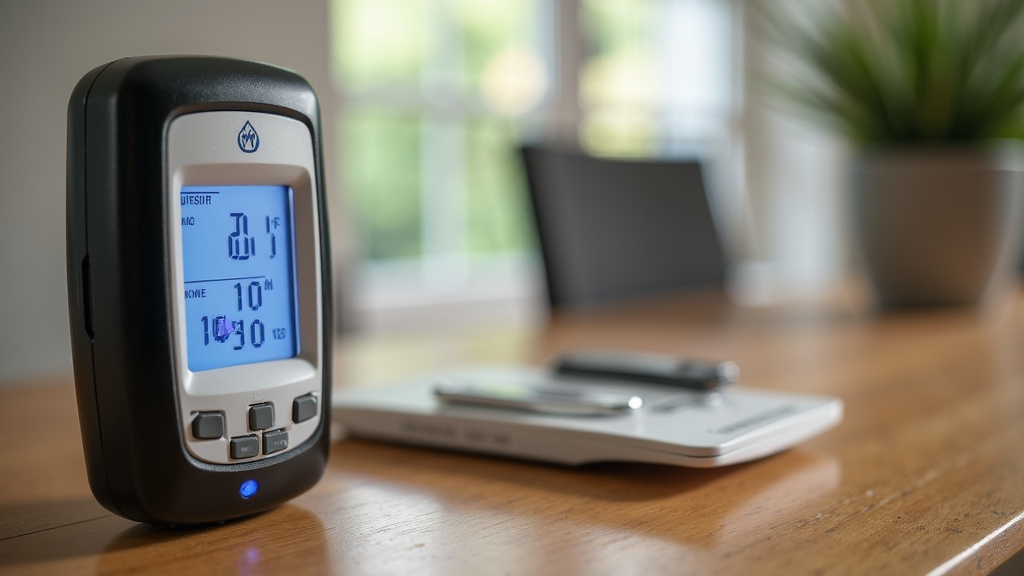
There are two main types: digital continuous monitors and Wi-Fi-enabled smart monitors. Digital monitors display current radon levels on a screen. Smart monitors connect to your home Wi-Fi. They send alerts and data to an app on your phone. This allows you to check levels remotely.
Interpreting Detector Readings
Radon detectors typically show readings in pCi/L, similar to test kits. They often provide daily averages, weekly averages, and sometimes long-term averages. This gives you a more detailed picture of your home’s radon exposure. Many models also track other indoor air quality factors.
Pros and Cons of Radon Detectors
The main advantage of a radon detector is continuous monitoring. You get immediate alerts if levels spike. This is especially useful if you live in a high-radon area or have a mitigation system. You can see how daily activities or weather changes might affect radon levels. The downside is that detectors are more expensive upfront than test kits. They also require power and might need calibration or replacement over time.
- Pros: Continuous monitoring, real-time alerts, detailed data, can track trends.
- Cons: Higher initial cost, requires power, may need recalibration or replacement, can be complex for some users.
Radon Detector vs. Test Kit: Which is Right for You?
The best choice depends on your priorities. Are you looking for a simple, affordable first step, or do you want ongoing peace of mind with instant alerts?
When to Choose a Radon Test Kit
A radon test kit is ideal if you’re new to radon testing. It’s perfect for your initial check to see if you have a problem. If you’re on a tight budget, kits are much more cost-effective. They are also good if you only want to test your home once or twice a year.
When to Choose a Radon Detector
Consider a radon detector if you’ve already tested and know your levels are high. It’s a good choice if you have installed a radon mitigation system. You can use it to monitor the system’s effectiveness. If you want constant reassurance or live in a known high-radon zone, a detector offers that continuous watch.
Comparing Costs and Convenience
Radon test kits typically cost between $15 and $30, plus any lab fees. Radon detectors range from $100 to $300 or more. While test kits are convenient for a single check, detectors offer ongoing convenience without repeated purchases or lab mailings. However, the initial investment for a detector is higher.
Accuracy and Reliability
Both accurate test kits and reliable detectors can provide accurate measurements. The key is proper use. Test kits rely on accurate lab analysis. Detectors rely on calibrated sensors. Many experts suggest that a long-term test kit (up to a year) can provide a very reliable average, comparable to what a detector might show over the same period (CDC).
Here’s a quick rundown to help you decide:
- First-time testing? Start with a test kit.
- Budget is tight? A test kit is more affordable.
- Want immediate alerts? A detector is your best bet.
- Have a mitigation system? A detector helps monitor it.
- Live in a high-radon area? Continuous monitoring from a detector offers more security.
- Need ongoing data? A detector provides this.
Making Your Final Decision
Ultimately, the goal is the same: protecting your family from radon gas. Whether you choose a simple test kit or a sophisticated detector, taking action is the most important step. We found that most homeowners benefit from starting with a test kit to understand their baseline radon levels. From there, you can decide if continuous monitoring is the right next step for your home.
Conclusion
You’ve learned that both radon test kits and detectors help protect your home. Test kits offer an affordable snapshot, perfect for your first check. Detectors provide continuous monitoring for ongoing peace of mind. For most homeowners, starting with a test kit is the recommended first step. It’s the easiest way to understand your home’s radon levels. If you discover high levels or have a mitigation system, a detector can offer continuous reassurance. Taking any action is better than none to keep your family safe from radon gas.
Frequently Asked Questions
How often should I test my home for radon?
We recommend starting with a short-term test kit, then following up with a long-term test or a continuous monitor. If your initial test shows levels at or above 4 pCi/L, you should plan to test again. Homes with radon mitigation systems should be tested annually.
Can I use a radon detector immediately after installing a mitigation system?
Yes, a continuous radon monitor is ideal for checking the effectiveness of a new mitigation system. It allows you to see how well the system is reducing radon levels in real-time. This gives you fast feedback on the system’s performance.
Are radon detectors more accurate than test kits?
Both can be accurate when used correctly. Test kits rely on laboratory analysis, while detectors use electronic sensors. For a general understanding of average levels, a long-term test kit (up to a year) is very reliable. Detectors offer continuous data, showing fluctuations that a test kit would miss.
What is the difference in cost between a test kit and a detector?
Radon test kits typically cost between $15 to $30, often with a small lab fee. Radon detectors have a higher initial cost, ranging from $100 to $300 or more. While test kits are cheaper for a single use, detectors can be more cost-effective over many years.
Where is the best place to put a radon test kit or detector in my home?
Place your radon test kit or detector in the lowest lived-in level of your home. This is usually a basement or a first floor if you spend significant time there. Avoid placing them in kitchens, bathrooms, or near open windows or doors for the most accurate readings.