How Long Does a Radon Test Take? The Longer Answer
A typical radon test takes 2 to 7 days to get accurate results, with most home kits needing several days to detect radon gas levels. You can’t get a reliable reading in just a few hours because radon is a gas that builds up over time. This is why longer test periods are essential for understanding your home’s true radon exposure.
Understanding the timeframe for radon testing is crucial for making informed decisions about your home’s safety. While some rapid test devices exist, most homeowners use kits that require a significant waiting period. This extended time allows the device to capture a representative sample of radon concentration throughout your living space.
- Radon tests typically take 2-7 days for accurate results.
- Short-term tests measure radon for a few days.
- Long-term tests take 90 days or more for the best accuracy.
- The waiting period is important for capturing radon fluctuations.
- Don’t rush the process; reliable results take time.
Below, we’ll break down exactly how long different types of radon tests take and what influences their duration so you can get the clearest picture of your home’s radon levels.
Understanding Radon Test Durations
You’re likely wondering, “How long does a radon test actually take?” It’s a fair question! You can’t just pop a test out and get a reading in an hour. Radon gas builds up slowly. Reliable results need time to accumulate. We found that most standard tests require several days to capture an accurate picture of radon levels in your home.
This isn’t about making you wait longer than necessary. It’s about getting you the most honest information about your home’s air quality. Think of it like baking a cake. You can’t pull it out of the oven after 10 minutes. It needs that dedicated time to cook properly. Radon testing is similar; it needs time to do its job.
Why So Long? The Science Behind Radon Testing
Radon is a radioactive gas. It comes from the natural breakdown of uranium in soil and rock. This gas seeps into your home through cracks and openings. It can enter through foundations, basement walls, and even construction joints. Because it’s a gas, it dissipates quickly when exposed to fresh air. This means a quick sniff test won’t work.
Your home acts like a bowl. If there’s a source of radon underneath, it will slowly fill up. The longer the source is active and the less ventilation there is, the higher the concentration becomes. A radon test device measures how much of this gas has accumulated over a period. This accumulation is why a longer test period is so important.
We found that radon levels can fluctuate daily and seasonally. Testing for just a short time might miss these variations. It’s like taking a single photo of a busy street. You might capture a moment, but you don’t see the whole flow of traffic. A longer test gives you a more complete understanding. Many health organizations, like the Environmental Protection Agency (EPA), recommend specific testing durations for accuracy.
Short-Term vs. Long-Term Radon Tests: What’s the Difference?
When you decide to test for radon, you’ll typically encounter two main types of tests: short-term and long-term. Each has a different purpose and, you guessed it, a different timeframe.
Short-Term Radon Tests: A Quick Snapshot
Short-term tests are designed to give you a quick idea of your home’s radon levels. These are usually the kits you buy at a hardware store or online. They are often called “activated charcoal” or “electret” detectors. We found that these tests typically run for a minimum of 2 to 7 days. Some manufacturers might even recommend 3 to 5 days for optimal results.
What happens during this time? The device is placed in the lowest lived-in level of your home. This is usually a basement or a crawl space if it’s finished and used regularly. You need to keep windows and doors closed as much as possible during the test. This is called “closed-house conditions.” It ensures the radon concentration builds up naturally without being diluted by outside air. We found this is critical for an accurate short-term reading.
A short-term test is good for getting an initial assessment. If levels are very high, you’ll know you need to take action. However, because radon levels can change, a short-term test might not represent your home’s average radon exposure. Think of it as a “snapshot” of radon in your air.
Long-Term Radon Tests: The Big Picture
Long-term tests are considered more accurate. They give you a better understanding of your home’s average radon concentration throughout the year. These tests typically require a minimum of 90 days, but many experts recommend testing for 6 to 12 months. This longer period captures seasonal variations and fluctuations in radon levels.
Why so long? We found that radon levels are often higher in the winter. This is when homes are sealed up tight, and ventilation is at its lowest. During the summer, more windows might be open, allowing radon to escape. A long-term test averages these highs and lows. This gives you a more representative exposure level.
These tests can be charcoal canisters, alpha-track detectors, or electret detectors. You’ll place the device in your home and leave it there for the specified duration. Again, maintaining closed-house conditions is important, but long-term tests are a bit more forgiving due to the extended testing period. Many health guidelines, including those from the EPA, suggest that a long-term test is the most reliable way to assess your home’s radon risk.
What Influences How Long a Radon Test Takes?
Several factors can influence the duration and reliability of your radon test. Understanding these helps you set realistic expectations.
Type of Detector Used
As we discussed, the type of detector is a primary factor. Activated charcoal detectors absorb radon over a few days. They need time to reach saturation. Alpha-track detectors use a film that radon particles hit over a longer period, typically months. Electret detectors measure the electrical charge changes caused by radon over a week or more. Each technology has its own recommended testing window for accurate results.
Environmental Conditions
Radon levels aren’t static. They can be affected by weather patterns, barometric pressure, and even wind. Humidity can also play a role, especially with certain types of detectors. For instance, very high humidity might affect the performance of charcoal detectors. This is another reason why longer test periods are better; they help average out these environmental swings.
Home Ventilation Habits
Your daily habits can influence radon concentrations. Do you often open windows and doors? Do you run exhaust fans frequently? If your home is well-ventilated, radon gas might not build up as much. Conversely, if you keep your home sealed tight, especially during colder months, radon can accumulate to higher levels. This is why maintaining closed-house conditions during testing is so important, particularly for short-term tests.
Location Within the Home
Where you place the test matters. Radon is heavier than air. It tends to settle in lower areas. Testing in a basement or lowest lived-in area is standard practice. However, even within a single level, you might find slightly different readings. For a representative sample, follow the manufacturer’s instructions for placement carefully. Testing in multiple locations might be recommended for larger homes.
Can You Get Faster Radon Results?
While the most accurate tests take days or months, you might have seen devices that claim faster results. Let’s look at those.
Continuous Radon Monitors (CRMs)
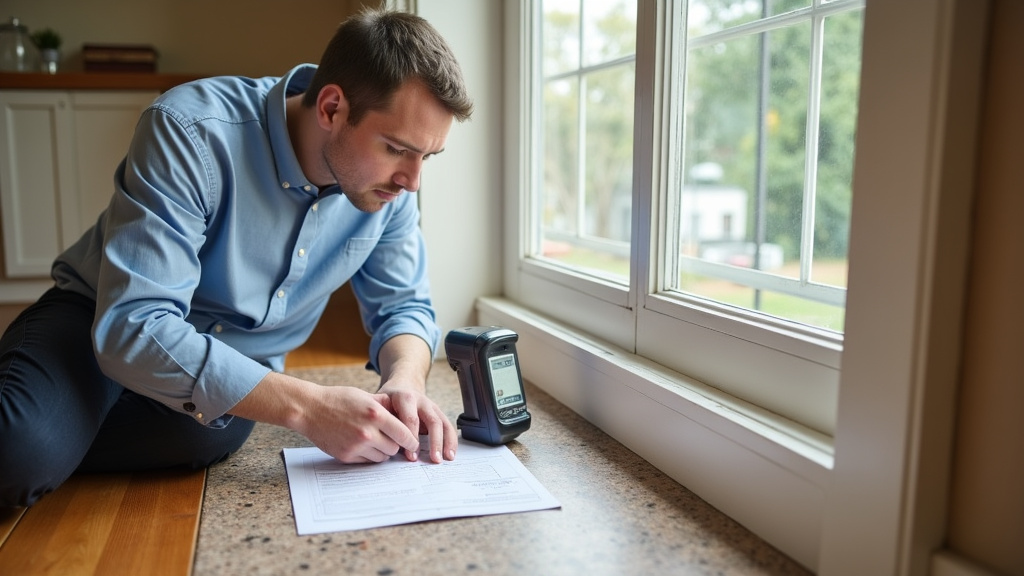
Continuous Radon Monitors (CRMs) are electronic devices. They can provide real-time or hourly readings. Some CRMs can give you a result in as little as 48 hours. These are often used by radon testing professionals. They offer immediate feedback and can be very useful for diagnosing immediate concerns or testing mitigation system effectiveness. However, we found that for initial home screening, a short-term or long-term passive test is still very common and often more cost-effective for homeowners.
It’s important to note that even with CRMs, a 48-hour test is still a “short-term” test. The EPA recommends following up with a longer-term test if the initial results are high or if you want a more definitive average. Think of a CRM as a very high-tech thermometer that can show you temperature changes minute-by-minute, but for a full weather report, you still need to look at averages over time.
Making the Most of Your Radon Test Time
No matter which type of test you choose, the waiting period is essential. Don’t be tempted to move the test device or open windows unnecessarily. Patience is key to getting accurate radon readings.
Here’s a quick checklist to ensure your test runs smoothly:
- Choose the right test: Decide if a short-term or long-term test better suits your needs.
- Read instructions carefully: Follow the manufacturer’s guidelines precisely.
- Select the correct location: Place the test in the lowest lived-in level.
- Maintain closed-house conditions: Keep windows and doors closed as recommended.
- Be patient: Allow the test to run for its full recommended duration.
- Note the start and end dates: Keep track of when the test begins and finishes.
Conclusion
You’ve learned that a radon test isn’t a quick task, and that’s for good reason. Reliable radon testing requires time, typically ranging from 2-7 days for short-term tests and 90 days or more for long-term tests. This extended period allows the testing device to capture accurate radon levels, accounting for daily and seasonal fluctuations in your home’s air. Don’t rush the process; patience ensures you get the clearest picture of your home’s safety. Your next step should be to choose the right test for your needs and follow the instructions carefully to get the most accurate results.
Frequently Asked Questions
Can I speed up a radon test if I need results quickly?
While some professional continuous radon monitors (CRMs) offer faster readings, typically around 48 hours, they are still considered short-term. For the most definitive understanding of your home’s average radon levels, a longer test is still recommended by health organizations. A CRM is best for an initial quick check or to monitor changes.
Why do I need to keep my windows closed during a radon test?
Keeping windows and doors closed as much as possible during a radon test creates “closed-house conditions.” This allows radon gas, which enters from the soil, to build up naturally in your home’s air. Opening windows dilutes the radon concentration, which can lead to inaccurate, lower readings on your test results. This is especially important for short-term tests.
Does the type of radon test kit affect how long it takes?
Yes, the type of detector greatly influences the testing duration. Activated charcoal detectors absorb radon over a few days. Alpha-track detectors require months to capture enough radon particles on their film. Electret detectors measure electrical charges over a week or more. Each technology has its own recommended testing window for accuracy.
What if I can’t maintain closed-house conditions for the entire test period?
It’s best to maintain closed-house conditions throughout the test, especially for short-term tests, as per manufacturer instructions. If you must open windows for brief periods, try to do so when the test is nearing its end. Long-term tests are generally more forgiving of occasional open windows due to their extended duration, helping to average out fluctuations.
How often should I retest my home for radon?
You should retest your home for radon if you make significant renovations, especially to your foundation or basement. Also, retesting is recommended if you change your home’s ventilation system or if you’ve had a long-term test that shows levels near the EPA action level. For general peace of mind, a follow-up test every few years is a good practice.