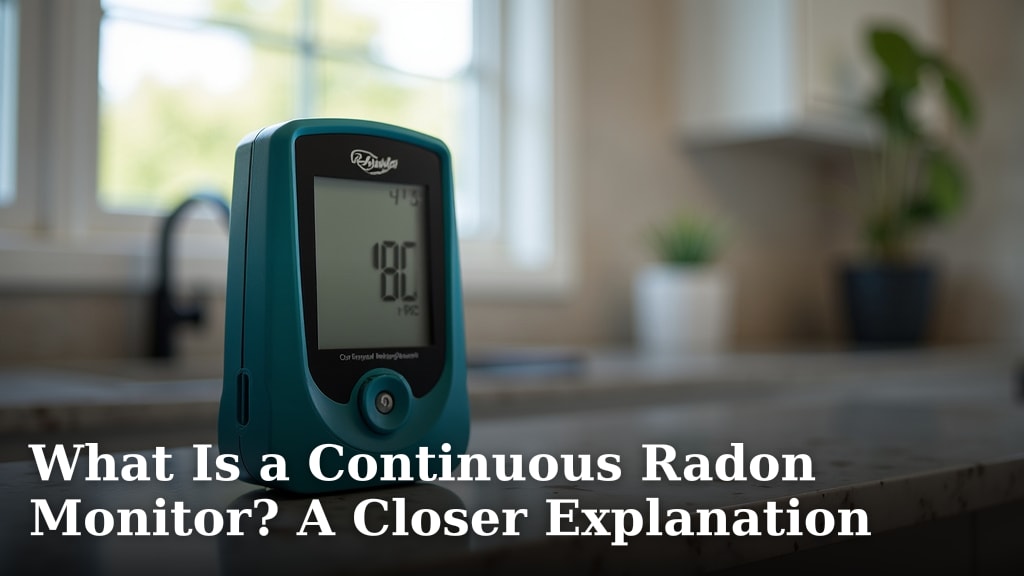
What Is a Continuous Radon Monitor? A Closer Explanation
A continuous radon monitor, often called a CRM, is an electronic device that measures radon gas levels in your home. It provides real-time readings, unlike older testing methods. Think of it as a smart, always-on detector for this invisible, odorless gas. You get instant information about your indoor air quality.
These monitors offer a more convenient and often more accurate way to understand your home’s radon exposure. They are designed for long-term monitoring and can help you identify trends over time. Many professional testers use CRMs to get a clear picture of radon levels.
- What a continuous radon monitor is.
- How it differs from other radon tests.
- Why continuous monitoring matters for your health.
- When to consider using one in your home.
Ready to learn more about how these devices work and what they can tell you? Let’s take a closer look at continuous radon monitors.
“`htmlUnderstanding Your Home’s Radon Levels with Continuous Monitors
So, what exactly is a continuous radon monitor, or CRM, and why might you consider using one? Think of it as your home’s personal air quality watchdog. It’s a digital device designed to keep a constant, watchful eye on the radon gas levels in your living space. Unlike older testing methods that give you a snapshot, a CRM provides a live, ongoing feed of information. This means you get real-time data about the air you breathe, helping you understand your exposure more clearly.
These devices are a modern approach to a serious health concern. Radon is a natural radioactive gas that can seep into homes from the ground. It’s invisible, odorless, and tasteless, making it undetectable without proper testing. CRMs offer a convenient and often more precise way to get this vital information. They are particularly useful for Learn more about how radon gets into a house from radon in soil.long-term monitoring, which is key to understanding radon’s behavior in your home over time.
How a Continuous Radon Monitor Works
At its core, a continuous radon monitor uses electronic sensors to detect and measure radon gas. When radon enters the device, it decays and emits alpha particles. The sensors in the CRM count these particles over a set period. The device then processes this count and translates it into a radon concentration, usually measured in picocuries per liter (pCi/L) or becquerels per cubic meter (Bq/m³). This reading is then displayed on the monitor’s screen.
What sets CRMs apart is their ability to update readings frequently. Some devices provide readings every hour, while others might update every few hours or once a day. This constant stream of data is where the “continuous” part of the name comes into play. It’s like having a tiny, tireless scientist in your home, diligently recording radon levels day in and day out.
Key Components and Technology
Most CRMs utilize a detector type known as a proportional counter or a scintillation detector. When radon atoms decay within the detection chamber, they release alpha particles. These particles strike a sensitive material, causing it to emit a tiny flash of light (scintillation) or registering an electrical pulse. The device’s internal circuitry counts these pulses.
The accuracy of a CRM depends on several factors, including the quality of the sensors, the sampling rate, and the duration of the test. Many professional-grade CRMs are calibrated regularly to ensure they are providing the most reliable data possible. You’ll often find features like data logging capabilities, allowing you to review past readings and identify patterns.
Data Display and Interpretation
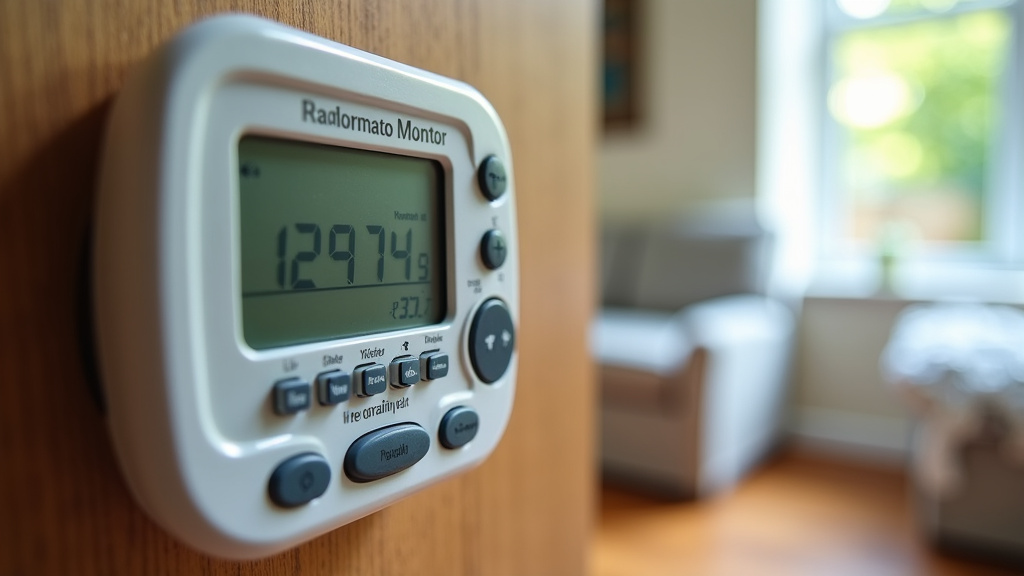
The information you get from a CRM is usually displayed on a built-in digital screen. You’ll see the current radon concentration. Many advanced models also offer historical data, showing you average levels over the past 24 hours, week, or even the entire monitoring period. This historical data is incredibly useful for spotting trends.
For example, you might notice that radon levels tend to be higher during colder months when windows are kept closed more often. Or perhaps you see a spike after certain weather events. Understanding these patterns helps you make more informed decisions about ventilation and potential mitigation. It’s about getting a full picture, not just a single data point.
Continuous Radon Monitors vs. Other Radon Tests
You might be wondering how a CRM differs from the other radon test kits you’ve seen. The main distinction lies in the testing methodology and duration. Traditional short-term tests, often charcoal canisters or electret ion detectors, are typically used for 2 to 7 days. They provide an average radon level over that specific period.
Long-term tests, on the other hand, are designed to run for 90 days or longer. They offer a more representative average of radon levels because they capture fluctuations that occur over time and across different seasons. CRMs essentially combine the ease of use of a short-term test with the extended monitoring capability of a long-term test, all in a single, reusable device.
Short-Term vs. Long-Term Monitoring
Short-term tests are great for a quick check, perhaps before buying a home. They give you an immediate idea of the radon situation. However, radon levels can change daily, even hourly, based on weather, wind, and barometric pressure. A short-term test might not capture these variations. It’s like taking a photo of a moving car – you get a snapshot, but not the full journey.
Long-term monitoring, which CRMs facilitate, provides a much more accurate average. By running a test for weeks or months, you account for these daily and seasonal fluctuations. This is why many professionals recommend long-term testing for the most reliable assessment of your home’s radon exposure. It helps ensure you’re not getting a misleading reading on an unusually good or bad day.
Accuracy and Reliability
When used correctly, CRMs can be very accurate. Many professional-grade CRMs meet specific performance standards set by organizations like the National Radon Safety Board (NRSB) or the Conference of Radiation Control Program Directors (CRCPD). These devices are often calibrated and maintained by the companies that provide them.
For home use, consumer-grade CRMs can also offer good reliability. It’s important to follow the manufacturer’s instructions carefully. Proper placement in the home, away from drafts and high-traffic areas, is key. Research has shown that properly deployed CRMs can provide results comparable to laboratory-analyzed tests (CDC).
Why Continuous Monitoring Matters for Your Health
Radon is the second leading cause of lung cancer in the United States, after smoking. The Environmental Protection Agency (EPA) estimates that radon is responsible for about 21,000 lung cancer deaths each year. Because radon is undetectable by our senses, testing is the only way to know if your home has elevated levels. Continuous monitoring offers the most comprehensive understanding of your family’s exposure.
Elevated radon levels mean you and your family are breathing in radioactive particles. When these particles are inhaled, they can damage lung tissue. Over time, this damage can lead to the development of lung cancer. The risk is cumulative, meaning the longer you are exposed to higher levels, the greater your risk.
Understanding Your Exposure Profile
A CRM helps you build an exposure profile for your home. Instead of just getting one number, you see how that number changes. This is important because radon levels aren’t static. They fluctuate based on outdoor weather conditions, such as wind speed, rain, and temperature changes, as well as indoor factors like how often doors and windows are opened. Continuous monitoring captures these dynamics.
This detailed information allows you to identify specific times or conditions when radon levels might be higher. This awareness is empowering. It moves you from simply reacting to a single test result to understanding the dynamic nature of radon in your environment. Knowing this can inform your decisions about ventilation and when to consider mitigation if levels are consistently high.
When to Consider Using a Continuous Radon Monitor
There are several good reasons why you might want to use a continuous radon monitor:
- When buying or selling a home: While a short-term test might be used during a real estate transaction, a CRM can provide a more thorough picture of radon levels over a longer period, giving both buyers and sellers more confidence in the results.
- After radon mitigation: If you’ve had a radon mitigation system installed, a CRM is an excellent tool to verify its effectiveness and ensure it’s keeping levels consistently low.
- For ongoing peace of mind: If you live in an area known for radon or have concerns about indoor air quality, a CRM can provide continuous reassurance or alert you to a developing problem.
- To understand seasonal variations: If you’ve only ever tested during one season, a CRM can help you understand how levels might change throughout the year.
- If you’ve experienced a false alarm: Perhaps a previous short-term test showed high levels, but you want to investigate further with more detailed data before committing to expensive mitigation.
In essence, if you want the most detailed and up-to-date information about radon in your home, a continuous radon monitor is a worthwhile investment. It’s about taking informed steps for a healthier living space.
Factors to Consider When Choosing a CRM
When you’re looking for a continuous radon monitor, several features can help you make the right choice. Think about what’s most important for your situation. For example, do you need portability, or will the device stay in one place? What kind of data display and historical tracking do you prefer?
Ease of Use and Setup
For most shoppers, the simplicity of use is a major factor. You want a device that’s easy to set up and operate without needing a degree in engineering. Look for monitors that have clear instructions and an intuitive interface. Plug-and-play functionality is often a big plus. You should be able to place it, turn it on, and let it do its job.
Data Features and Connectivity
Consider the data reporting capabilities. Some CRMs offer basic digital displays, while others connect to Wi-Fi or Bluetooth. These connected devices can often sync data to a smartphone app or a web portal. This allows for easy access to your radon readings and historical trends, even when you’re away from home. Features like data export can also be useful for tracking over long periods.
Accuracy and Certification
As mentioned, look for CRMs that are certified by recognized organizations if possible. While not always required for home use, certification can be an indicator of quality and reliability. Check reviews and manufacturer information to understand their testing and calibration processes. Remember, even the best device needs to be placed correctly to provide accurate readings.
| Feature | Description | Importance for You? |
|---|---|---|
| Display Type | Shows current and historical radon levels (e.g., LCD, digital screen). | High – Essential for immediate readings. |
| Connectivity | Wi-Fi, Bluetooth, or USB for data transfer to apps or computers. | Medium to High – For convenient data tracking and remote viewing. |
| Data Logging | Internal memory to store readings over time. | High – Necessary for continuous monitoring. |
| Alerts/Alarms | Notifications if radon levels exceed a set threshold. | Medium – Useful for prompt action. |
| Power Source | AC adapter, battery, or both. | Medium – Consider placement needs. |
| Certification/Calibration | Meets standards from recognized bodies. | Medium – Indicator of reliability. |
Conclusion
You’ve learned that a continuous radon monitor (CRM) is your home’s dedicated air quality guardian. It provides real-time, ongoing data about radon levels, offering a much clearer picture than single snapshot tests. This continuous stream of information helps you understand daily and seasonal fluctuations, which is vital for protecting your family’s health from this invisible risk. Knowing your home’s specific radon exposure profile empowers you to make informed decisions. If you’re concerned about radon or want definitive proof of your home’s air quality, investing in a CRM is a smart next step toward a healthier living space.
Frequently Asked Questions
How often does a continuous radon monitor update its readings?
Continuous radon monitors update their readings at different intervals, depending on the model. Some devices provide readings every hour, while others may update every few hours or once a day. This frequent updating is what makes them “continuous,” offering a dynamic view of your home’s radon levels.
Can I use a continuous radon monitor for real estate transactions?
While short-term tests are common in real estate, a CRM can offer a more detailed look at radon levels over a longer period. This can provide both buyers and sellers with greater confidence in the results. However, always check if the specific requirements for your real estate transaction allow for CRM data.
Are consumer-grade continuous radon monitors accurate?
Yes, consumer-grade continuous radon monitors can be accurate when used correctly. It’s important to follow the manufacturer’s instructions for placement and operation. Proper setup is key to getting reliable data that reflects your actual home environment.
What happens if my continuous radon monitor detects high radon levels?
If your CRM shows consistently high radon levels, it’s recommended to take action. This typically involves consulting with a certified radon professional to discuss mitigation options. They can help install a system to reduce radon concentration in your home.
Can I move a continuous radon monitor from room to room?
Some CRMs are designed for portability, allowing you to move them to different areas of your home to check specific rooms. However, it’s important to let the device run for a sufficient period in each location for accurate readings. Always refer to your monitor’s manual for guidance on its intended use.