What Is the Source of Radon? What Owners Should Know
Radon is a natural radioactive gas that comes from the breakdown of uranium in soil, rock, and water. It can seep into your home through cracks in the foundation, walls, and floors. Understanding radon’s source is the first step in protecting your family.
This odorless, colorless gas is a leading cause of lung cancer in non-smokers, according to the EPA. It doesn’t discriminate; any home can have a radon problem. You can’t see, smell, or taste it, which makes testing your home absolutely essential.
- Radon originates from the natural decay of uranium in the earth.
- It’s a radioactive gas that is invisible and odorless.
- Radon can enter any type of building from the ground below.
- High levels increase the risk of lung cancer, even for nonsmokers.
- Testing your home is the only way to know if you have a problem.
Let’s break down exactly where radon comes from and what homeowners like you should know about this silent invader.
“`htmlWhere Does Radon Gas Actually Come From?
You’ve heard about radon, but where does this invisible gas truly originate? It all starts deep within the earth. Radon is a byproduct of the natural breakdown of uranium. Uranium is a metal found in small amounts in rocks, soil, and even water all over the planet. This article explains how radon originates from the breakdown of uranium in soil, rock, and water.
Think of it like a very slow, natural clock ticking away. As uranium decays over many, many years, it eventually transforms into other elements. One of these elements is radium, and radium then decays into radon. This process happens continuously, everywhere underground.
The Journey of Radon to Your Home
So, how does radon get from the soil and rocks into your living space? It’s all about pressure and pathways. Because radon is a gas, it can move through tiny cracks and openings in the ground.
Radon Movement Through the Earth
The soil and rock layers above where uranium decays aren’t perfectly solid. There are pores and fissures. Radon gas can travel through these spaces. Imagine steam rising from a hot cup of coffee; radon gas moves similarly through the earth. This movement is quite natural.
Entering Your House: The Path of Least Resistance
Now, your home sits on top of this naturally occurring radon. When your house is built, it creates a barrier. But that barrier isn’t always perfect. Buildings have foundations, basements, and crawl spaces. These areas can have tiny cracks, gaps, or openings. This is where radon sees its chance.
The air pressure inside your home is often lower than the pressure in the soil beneath it. This pressure difference acts like a gentle vacuum cleaner. It sucks the soil gas, including radon, up into your house. It’s a bit like how a straw pulls liquid up when you sip. This is how radon finds its way inside through the foundation, walls, and even sumps.
Common Entry Points
What are the usual suspects for radon entry? Look for these spots:
- Cracks in concrete floors and walls: These are the most common entry points.
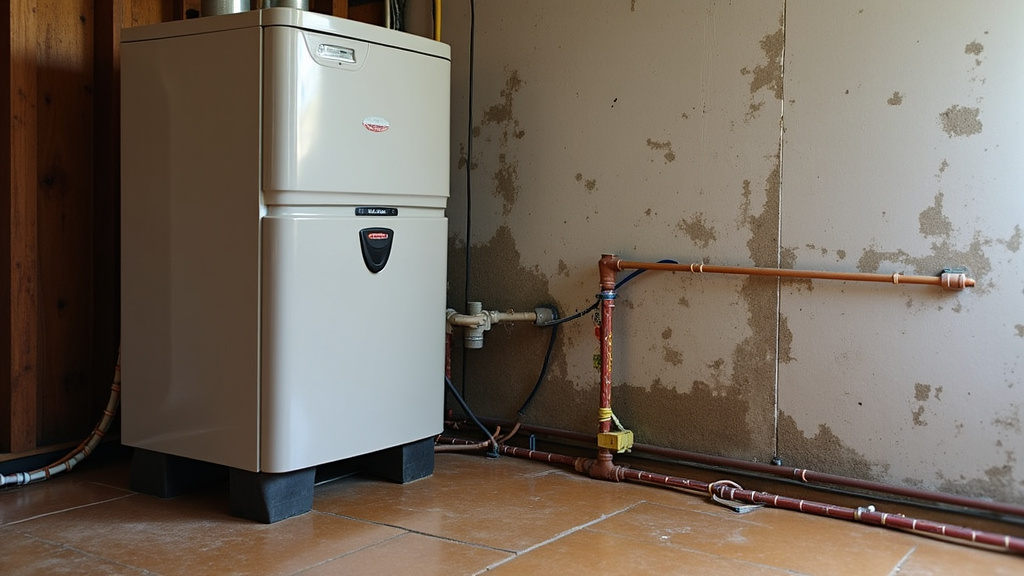
- Gaps around pipes and wires: Where services enter your home, tiny spaces can form.
- Construction joints: Where walls meet floors or foundations join.
- Sump pump pits: These can act as a direct channel from the soil.
- Hollow concrete blocks: These can allow air to move through.
Radon in Water: A Less Common Source
While most radon enters from the soil, it can also be present in well water. If you have a private well, testing your water for radon is a good idea. Municipal water systems are typically treated to remove radon.
If radon is in your water, it can be released into the air when you use hot water. This happens during showers, washing dishes, or running the washing machine. The impact of waterborne radon on indoor air levels is usually much smaller than from soil, but it can contribute (CDC).
Factors Affecting Radon Levels in Your Home
Not all homes have the same radon levels. Several things play a role in how much radon might accumulate. It’s not just about your location; it’s also about your home’s construction and habits.
Geology of Your Area
The primary factor is the amount of uranium in the ground beneath your home. Some regions naturally have higher concentrations of uranium. This means the potential for radon gas to be present is greater. You can often find radon potential maps online from government health agencies that show areas with higher risk.
Your Home’s Foundation Type
The way your home is built matters. Basement foundations, for example, can trap radon gas more effectively than homes built on slabs. Slab foundations have less direct contact with the soil below.
Crawl spaces can also be a pathway. If a crawl space is not properly sealed or ventilated, radon can build up there and then seep into the living areas above. The sealing and ventilation of these spaces are key.
Home Ventilation and Air Exchange
How well your home “breathes” is important. Homes that are tightly sealed to conserve energy can sometimes trap radon gas. If there isn’t enough fresh air coming in, radon can accumulate to higher levels.
Conversely, homes with good natural ventilation or mechanical ventilation systems may have lower radon concentrations. However, even well-ventilated homes can have radon problems if the source is strong. Ventilation helps, but it doesn’t eliminate the need for testing.
Weather and Seasonal Changes
Did you know weather can influence radon levels? During colder months, you tend to keep your home sealed up tighter. This reduces air exchange and can allow radon to build up. Also, temperature differences between the inside and outside can affect air pressure and how radon enters.
Wind can also play a role. Strong winds can increase the pressure difference between the inside and outside of your home. This can sometimes push more radon gas into your living space. It’s a dynamic situation.
Why You Should Know About Radon’s Source
Understanding where radon comes from isn’t just trivia. It’s about protecting your family’s health. Radon is a radioactive substance. When inhaled, its decay products can damage lung tissue. Over time, this damage can lead to lung cancer.
The U.S. Environmental Protection Agency (EPA) has identified radon as the second leading cause of lung cancer. It’s the leading cause for non-smokers. This is a serious health risk that can be managed, but only if you are aware of it.
The good news is that radon is a manageable risk. Knowing its source helps you understand why testing is so important. It also helps explain why certain mitigation methods work.
The Importance of Testing
Since you can’t see, smell, or taste radon, testing is the only way to know your home’s radon level. Short-term tests can give you a quick idea, while long-term tests provide a more accurate average. Many kits are available for homeowners, and professional testing is also an option.
What the Levels Mean
Radon levels are measured in picocuries per liter of air (pCi/L). The EPA recommends taking action to reduce radon levels if they are 4 pCi/L or higher. Levels between 2 and 4 pCi/L are also a concern, and many experts suggest mitigation even at these lower levels.
The goal is always to keep your home’s radon level as low as possible. Even naturally occurring substances can pose risks when present at high concentrations.
A Quick Checklist: What to Remember About Radon’s Origin
Here’s a simple rundown of key points about where radon comes from:
- It starts with uranium naturally decaying in the earth.
- Radon is a radioactive gas, invisible and odorless.
- It moves through soil and rock, then enters homes through foundation cracks.
- Your home’s foundation type and sealing play a big role.
- Ventilation can help, but doesn’t replace testing.
- Testing is the only way to know your home’s levels.
Conclusion
You’ve learned that radon is a natural gas, born from the decay of uranium deep within the earth. It’s an invisible, odorless threat that can find its way into any home through tiny openings in your foundation. While its origin is natural, its presence in your home poses a health risk, especially to non-smokers. The most important takeaway is that you can’t detect radon without testing. Taking the simple step to test your home is the best way to protect your family’s health from this silent invader.
Frequently Asked Questions
Can radon only enter homes with dirt basements?
No, radon can enter any home, regardless of its foundation type. While dirt basements can be more susceptible, radon can seep through concrete cracks, construction joints, and gaps around pipes in any home structure.
Does radon gas only come from the soil?
Primarily, radon gas enters homes from the soil and rock beneath them. However, it can also be present in well water. When you use hot water, this radon can be released into the air inside your home.
Are certain geographic areas more prone to radon?
Yes, the geology of an area plays a big role. Regions with higher concentrations of uranium in the ground are naturally more prone to higher radon levels. Online maps from health agencies can show you local radon potential.
How does the way my house is built affect radon levels?
Your home’s foundation and sealing are important. Basements can trap radon more effectively. Houses with tighter seals to conserve energy might also trap more radon if not properly ventilated. Crawl spaces can also be entry points if not sealed or ventilated.
Can I just open windows to reduce radon in my home?
While improving ventilation, like opening windows, can help lower radon levels, it’s not a guaranteed solution or a replacement for testing. Homes with strong radon sources may still have high levels even with good ventilation. Testing is the only way to know for sure.