How to Test for Radon as a Tenant
As a tenant, you can test your living space for radon with a short-term kit, following its placement and exposure instructions. Tell your landlord before testing if you need access to another area or want to discuss what happens if results are high.
On this page (7 sections)
As a tenant, you can test your home for radon with a short-term test kit, placed and used according to its instructions. Before you start, tell your landlord if you need access to a shared or lower-level space, and agree how you'll share the results.
Radon is an odorless gas, so you can't tell its level by smell or sight. A test measures the air during a set sampling period; it doesn't guarantee the same level in every room or at every time.
Can tenants test for radon in a rental?
Yes, tenants can arrange a radon test in the space they occupy. The practical steps are to choose an appropriate room, follow the kit instructions, and plan what to do if the result calls for follow-up.
A landlord may have information about prior tests or building work. If you're planning checks for both issues, see mold and radon testing.
Ask whether the building has been tested and whether there are existing results, but don't treat an old result as a substitute for testing your current living space.
For a quick overview of the sampling process, see How to Test for Radon: The Simple Answer. Your kit's instructions take priority because exposure time, placement, and return steps can vary.
Where should you place a radon test in a rental?
Place a test in a frequently used room on the lowest level you occupy, following the kit's placement rules. For more detail, see where to place a radon test.
In an apartment, that may be a living room or bedroom, not a basement you rarely enter.
Keep the device away from open windows, exterior doors, vents, direct sunlight, and areas with strong drafts. Follow any distance rules in the instructions, and don't move the test during its sampling period.
If your rental includes a basement, use the advice in how to test a basement for radon. Ask your landlord before placing a test in a locked or shared area.
Does a tenant need to test a basement?
Test a basement if it's a living space or a level where you spend time, using the kit's directions for a lowest occupied level. A result from a basement may not represent air in an upstairs bedroom.
Don't put a test in a damp utility area, storage room, or crawl space unless the instructions say that location is suitable. If you occupy multiple levels, ask a qualified local professional or public health office whether separate tests make sense.
How should tenants prepare before testing?
Choose the room, coordinate access, and read all kit instructions before opening the test. For an accurate sample, avoid changing normal ventilation or occupancy during the measurement unless the instructions tell you to.
Tell your landlord when you'll start and how long the test will remain in place. Post a radon test in progress notice where occupants can see it.
Keep children and pets from disturbing the device, and note the room and placement date for your records.
A short-term kit is one option for an initial screening. The First Alert Radon Gas Test Kit includes test materials and lab fees, with New Jersey state fees excluded, and results are emailed within 72 hours of lab receipt.
Check that the kit is intended for your location; First Alert recommends this kit for use only in the United States. Keep the instructions and any registration details until you receive the result.
How do you use a short-term radon test kit?
Follow the kit's placement, exposure, sealing, and return instructions exactly. A missed step or a disturbed test can make the result less useful.
Set the device on a stable surface at the instructed height and distance from walls or openings. Don't place it where it can be knocked over, blocked by furniture, or exposed to unusual heat or moisture.
For a kit that uses a 48-hour sampling period, mark the start and end times and return the sample as directed. The PRO-LAB Radon Test Kit for Home uses a short-term sampling method and includes lab analysis.
The kit's description specifies a frequently occupied room, such as a bedroom, living room, basement, or home office. Follow its own placement directions rather than assuming every room or rental layout is suitable.
What should you do during the sampling period?
Leave the device in place and keep the room's conditions typical, unless the test instructions say otherwise. Don't move the test to another room to compare readings during the same sample.
Keep windows and exterior doors closed as required by the kit's rules. Record anything unusual, such as a long period with windows open or nearby construction, so you can mention it when reviewing the result.
Should you choose a short-term or long-term test?
A short-term test gives you an initial snapshot, while a long-term test measures over a longer period. Which makes sense depends on the question you need answered and the kit instructions.
If you're checking a new rental or following up on a concern, a short-term kit can be a practical starting point. The Leaping Lynx Radon Test Kit for Home is a 48-hour short-term kit with lab analysis included; postage is required to return it.
For a longer sampling period, read what a long-term radon test is. Long-term measurements can reflect changes over time, but the right test depends on the situation and local guidance.
If you're deciding how often to repeat testing, see how often you should test for radon. Retest after a major change or when local guidance recommends it.
What should you do with the result?
Keep a copy of the result and share it with your landlord if it needs follow-up. Ask what next step they propose, and consult your local public health or housing authority about applicable guidance.
A result is tied to the sampled room, period, and conditions. If it is near or above the action level used by your local authority, ask whether a follow-up test or professional measurement is recommended before drawing a conclusion.
Don't try to fix a suspected radon issue by changing ventilation on your own. A qualified radon professional can assess the building and explain mitigation options, while your landlord can coordinate access and repairs.
How can tenants make the test useful?
A useful tenant radon guide starts with a suitable room, undisturbed sampling, and a clear plan for sharing results. Pick a kit whose instructions fit your rental and location, then follow those directions from setup through sample return.
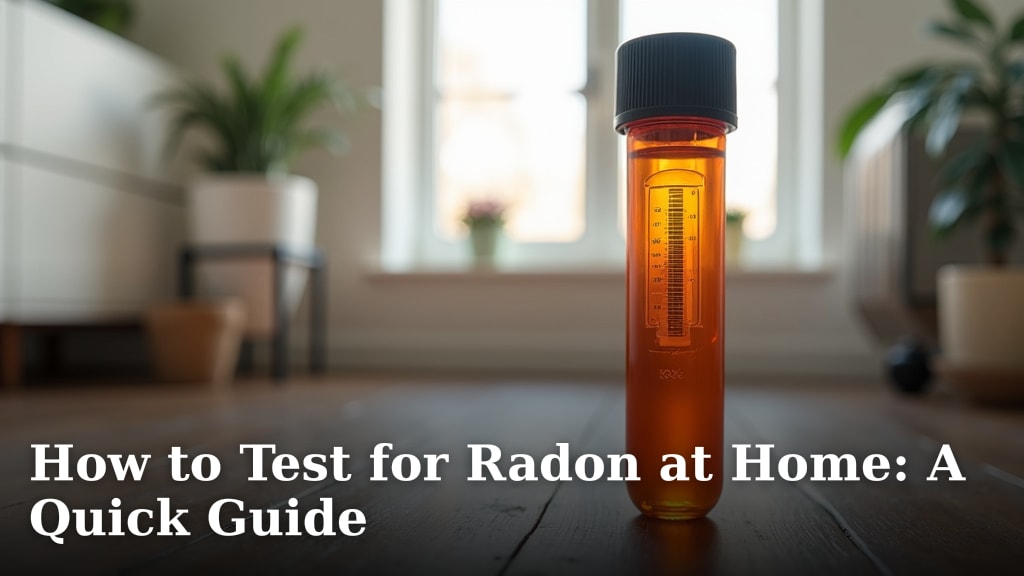
For the at-home steps in more detail, read How to Test for Radon at Home: A Quick Guide. If you haven't chosen a kit yet, what a radon test kit is explains the basic mail-in approach.
Frequently asked questions
Can a tenant test an apartment for radon?
Yes. A tenant can use a radon test kit in an apartment by placing it in a frequently occupied room on the lowest level they use, then following the kit's sampling and return steps.
Ask the landlord about access and next steps if the test requires a shared space or results are high.
Should I tell my landlord before testing for radon?
It's sensible to tell your landlord before testing, especially if you need access to a basement, shared room, or another unit area. Agree on where the test will go and how you'll share results.
Local rules differ, so check your area's tenant and radon guidance.
Where should a tenant place a radon test?
Place the test in a room you use often on the lowest level you occupy, following the kit instructions. Keep it away from drafts, windows, exterior doors, and high heat or humidity if the instructions say so.
Don't place it in a kitchen or bathroom unless the instructions allow it.
What should a renter do if a radon test is high?
Follow the test provider's advice and arrange a follow-up measurement before making decisions. Share the result with your landlord in writing and ask about a qualified radon professional.
Testing and mitigation rules vary by location, so check local public health or housing guidance.