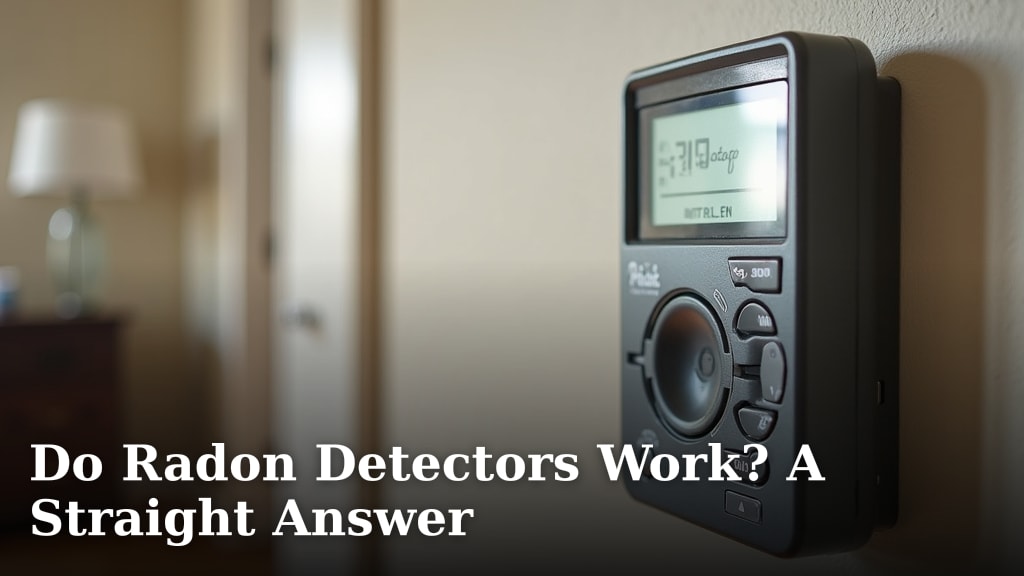
Do Radon Detectors Work? A Straight Answer
Yes, radon detectors work effectively to warn you about high radon levels in your home. They are designed to measure radon gas concentration and alert you if it reaches an unsafe level. This early warning is key to protecting your family’s health from this invisible threat.
Radon is a naturally occurring radioactive gas. It can seep into homes from the ground. While it’s impossible to eliminate radon completely, a good detector can give you peace of mind. It helps you decide if you need to take action to reduce radon levels, like installing a mitigation system. Many experts agree that monitoring is a smart step.
- Radon detectors do work to measure radon gas.
- They provide an early warning if levels are too high.
- Monitoring radon helps protect your home’s air quality.
- Testing is recommended by health organizations.
- Detectors can help you decide on mitigation solutions.
Let’s break down how these devices function and what you should know to make an informed choice for your home.
“`htmlHow Do Radon Detectors Actually Work?
You’re probably wondering if those little radon detectors sitting on your shelf are really doing anything. The good news is, yes, they do work! These devices are designed to measure the concentration of radon gas in your home. They provide you with a reading of radon levels over time, so you can understand your home’s unique situation.
Think of them like a smoke detector, but for an invisible gas. When radon levels get too high, the detector will alert you. This alert is your signal that it’s time to pay attention and consider what to do next. It’s about getting a clear picture of your indoor air quality.
Understanding Radon Gas and Its Risks
Before we dive deeper into how detectors work, it’s helpful to understand what radon is. Radon is a naturally occurring radioactive gas. It comes from the breakdown of uranium in soil, rock, and water. This gas has no smell, no taste, and no color, making it completely undetectable by human senses.
Radon gas can seep into your home through cracks and openings in the foundation. This includes gaps in floors, walls, and joints. It can also enter through construction joints and even well water. Because it’s heavier than air, it tends to accumulate in lower levels of a home, like basements and crawl spaces.
Why Worry About Radon?
The main concern with radon is its potential health risk. When you breathe in radon gas, it can damage the cells in your lungs. Over time, prolonged exposure to high levels of radon is a leading cause of lung cancer for non-smokers (U.S. Environmental Protection Agency). This is why monitoring is so important for your family’s well-being.
It’s not about creating panic, but about being informed. Many homes have some level of radon, but it’s the *high* levels that pose the most serious threat. Detectors help you identify if your home falls into that category.
Types of Radon Detectors: What’s Available?
There are a few main types of radon detectors you’ll find on the market. They generally fall into two categories: short-term test kits and long-term monitors. Each has its purpose and offers a different kind of information.
Short-Term Radon Test Kits
These kits are designed for quick testing. They are typically charcoal canisters or electret ion chamber devices. You place them in your home for a set period, usually 2 to 7 days. After the testing period, you send the device to a lab for analysis. The lab then provides you with the radon concentration.
Short-term tests give you a snapshot of radon levels. They are good for an initial check or when you need results quickly. However, radon levels can fluctuate daily. A short-term test might not capture the full picture of your home’s average radon exposure.
Long-Term Radon Monitors
Long-term monitors are generally considered more accurate for assessing your home’s overall radon risk. These devices are designed to be left in place for 90 days or longer. This extended period allows them to capture radon level fluctuations throughout the year. They provide a more reliable average reading.
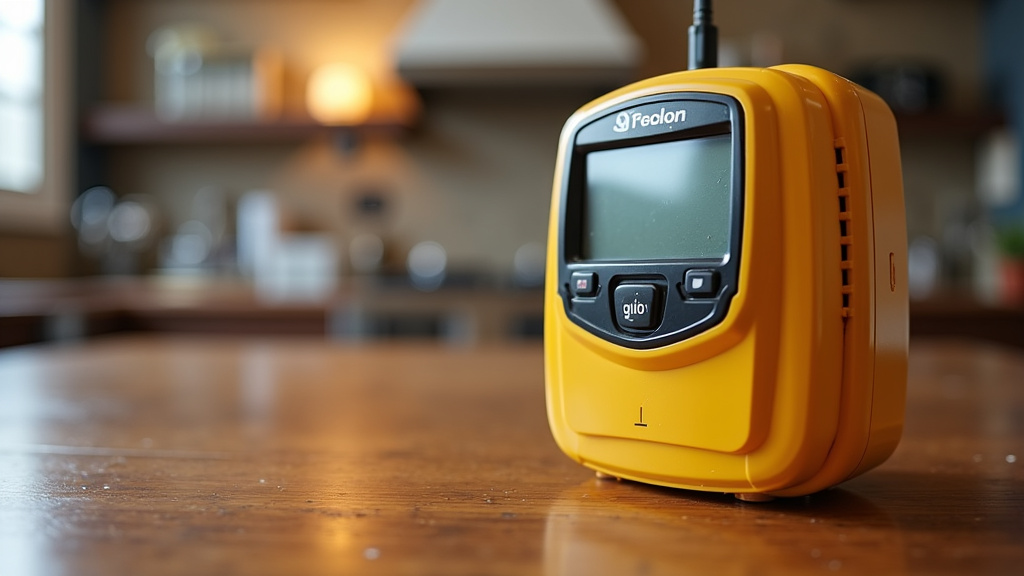
Many modern long-term monitors are digital. They display real-time radon levels on a screen. Some even connect to Wi-Fi and send alerts to your phone. These offer convenience and continuous monitoring. They are an excellent choice for ongoing peace of mind.
How Long-Term Monitors Work
Digital radon monitors often use a Geiger-Müller (GM) tube or a similar technology. This sensor detects alpha particles emitted by radon decay. The device counts these particles over time. The rate of detection helps it calculate the radon gas concentration in the air.
The device records data continuously. It stores this information internally. You can then view the average readings for the entire testing period. This sustained measurement is key to understanding your home’s true radon profile. It accounts for changes due to weather or season.
Are Radon Detectors Accurate?
Yes, radon detectors can be very accurate when used correctly. The accuracy depends on the type of device, its quality, and how it’s deployed. For short-term tests, sending the device to a reputable, certified laboratory is essential. This ensures reliable results.
Long-term monitors, especially those left in place for 90 days or more, are generally considered the most accurate for everyday home use. They provide a more representative average of radon levels. Always follow the manufacturer’s instructions carefully for the best results.
Factors Affecting Accuracy
Several factors can influence how accurate your radon detector is. One of the most important is placement. The device should be placed in a living space, not in a closet or garage. It needs to be in an area where you spend a lot of time. Think of bedrooms or main living areas.
Keep the detector away from drafts, vents, and open windows. These can artificially lower the radon readings. Also, ensure the device has continuous power if it’s a digital model. Consistent operation is vital for reliable data collection.
Interpreting Your Radon Detector Results
Once you have your radon readings, you’ll need to understand what they mean. Radon levels are measured in picocuries per liter of air (pCi/L). The U.S. Environmental Protection Agency (EPA) has set action levels.
What Are Safe Radon Levels?
The EPA action level for radon is 4 pCi/L. If your long-term test results are at or above this level, it is recommended that you take steps to reduce radon levels in your home. However, even levels between 2 and 4 pCi/L are considered by many health organizations to be a risk that warrants consideration (National Institutes of Health).
It’s always better to aim for the lowest possible level. No level of radon is considered completely risk-free. The goal is to reduce exposure as much as reasonably achievable.
When to Test and When to Retest
It’s recommended to test for radon every few years. You should also retest if you make significant changes to your home. This includes installing a new water system or making major renovations. Even a new radon mitigation system may require retesting to ensure it’s working effectively.
Testing is especially important in homes that have never been tested before. Testing in the lowest occupied level of your home is often recommended for initial screening.
Making a Decision Based on Detector Readings
So, your detector shows a reading. What’s next? If your readings are below the EPA action level, you might choose to simply continue monitoring. Some homeowners opt for a long-term monitor to keep an eye on things.
If your readings are at or above 4 pCi/L, it’s time to consider mitigation. This usually involves installing a radon mitigation system. These systems are designed to vent radon gas from beneath your home. They prevent it from entering your living space. A professional can assess your home and recommend the best system.
Choosing the Right Radon Detector for Your Home
When picking out a radon detector, consider your needs. Do you want a quick check or continuous monitoring? Long-term monitors provide more comprehensive data for ongoing peace of mind. Look for devices that are certified by independent testing laboratories.
Here’s a quick checklist to help you choose:
- Type of Test: Short-term for a quick check, long-term for ongoing monitoring.
- Accuracy Certification: Look for EPA-recognized or NRPP certification.
- Ease of Use: Ensure the device is simple to set up and understand.
- Reporting: Digital displays or app connectivity can be very helpful.
- Duration: Long-term monitors should ideally test for 90 days or more.
- Cost: Compare prices, but don’t sacrifice accuracy for savings.
By understanding how radon detectors work and choosing one that fits your needs, you can take a proactive step toward ensuring a healthier home environment for your family. It’s a smart way to manage this invisible indoor air pollutant.
“`Conclusion
You’ve learned that radon detectors absolutely work to measure radon gas levels in your home. They are reliable tools for early detection, giving you the power to protect your family from this invisible health risk. By understanding the different types of detectors and how to interpret their readings, you can make informed decisions about your home’s air quality. Don’t let radon be a silent threat; take the step to test your home and ensure a safer living environment.
Frequently Asked Questions
How often should I test my home for radon?
It’s recommended to test your home for radon every few years to ensure levels haven’t changed. You should also retest if you make major renovations or install a new water system. Retesting is also wise after installing or repairing a radon mitigation system.
Can I use a cheap radon test kit, or do I need a more expensive one?
While short-term test kits can provide an initial reading, long-term monitors (90 days or more) are generally more accurate for assessing your home’s average radon exposure. Look for certified devices, as accuracy is key, regardless of the price point.
What should I do if my radon detector shows a high reading?
If your long-term test results are at or above the EPA’s action level of 4 pCi/L, you should consider installing a radon mitigation system. These systems effectively vent radon from your home. A professional can help you choose the best system for your needs.
Where is the best place to put a radon detector in my home?
Place your radon detector in a frequently occupied living space, such as a bedroom or main living area. Avoid placing it in kitchens, bathrooms, closets, or near open windows or vents, as these can affect readings.
Do radon detectors need batteries or electricity?
Many short-term test kits are passive and don’t require batteries or electricity. However, digital, long-term monitors typically need a continuous power source, either through batteries or by being plugged into an electrical outlet.