Do Home Radon Detectors Work? A Plain Guide
Yes, home radon detectors do work to alert you to potentially dangerous radon gas levels in your home. These devices measure the amount of radon in the air, helping you understand your home’s radon exposure. Early detection can help you protect your family’s health from this invisible threat.
Radon is a naturally occurring radioactive gas. It can seep into homes from the ground. While it’s odorless and colorless, prolonged exposure can increase your risk of lung cancer. Understanding how these detectors work and their Learn how radon gets into homes from the ground.reliability is key to home safety.
- Home radon detectors provide early warning of high radon gas.
- They measure radon levels in your air.
- This helps you know if you need to take action.
- Keeping your home safe is easier with accurate detection.
Let’s walk through how home radon detectors work, what makes them reliable, and what you should know before you buy one.
How Do Home Radon Detectors Actually Work?
You’re probably wondering if those gadgets you see advertised actually do what they promise. The simple answer is yes, home radon detectors work. They are designed to sniff out radon gas in your living space. Think of them as your home’s tiny, vigilant air quality guardians. They give you a heads-up if the radon levels start climbing too high.
Radon is a sneaky gas. It’s naturally created when uranium in soil and rock breaks down. This gas can travel through tiny cracks in your foundation and enter your home. Because it’s invisible and has no smell, you can’t detect it on your own. That’s where a radon detector becomes your best friend. It actively measures the radon concentration in your air. This helps you understand your home’s radon risk. Early detection is key for protecting your family. Learn about radon in the ground.
Understanding the Technology: What’s Inside a Radon Detector?
Radon detectors use different technologies to measure radon. The most common types use either alpha track detectors or continuous monitors. Both aim to do the same thing: detect alpha particles. These particles are released when radon and its decay products break down. Your detector counts these particles. The more particles it counts, the higher the radon level.
Alpha Track Detectors: The Long-Term Watchers
Alpha track detectors are like patient observers. They contain a piece of plastic film. When alpha particles hit this film, they leave tiny damage marks, like microscopic scratches. These detectors are usually left in place for a period, often 90 days or longer. This is because radon levels can change daily. A longer testing period gives you a more accurate average. After the test, you send the detector to a lab. They use a microscope to count the marks on the film. This count translates into an average radon concentration. Many professional testers use these because they offer a reliable, long-term snapshot of your home’s radon situation. They are great for understanding your baseline radon levels over time (EPA).
Continuous Radon Monitors: The Real-Time Reporters
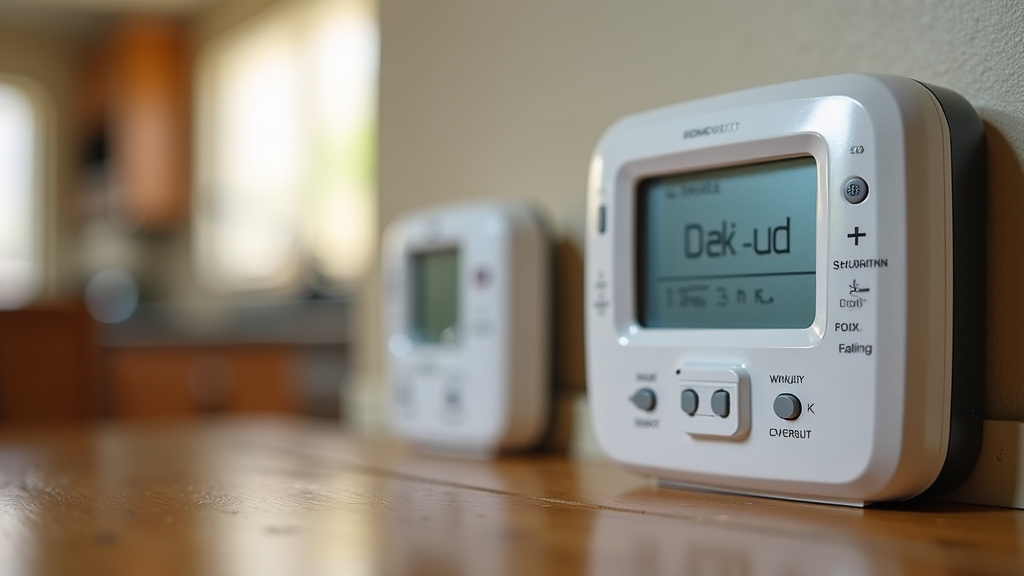
Continuous radon monitors, on the other hand, are like live reporters. They constantly sample the air in your home. They use an electronic sensor to detect alpha particles. These monitors usually display the radon level right on the device. Many can also log readings over time. This gives you a day-by-day, or even hour-by-hour, view of radon fluctuations. Some are designed for short-term testing (a few days), while others can be used for long-term monitoring. If you want to see how activities like opening windows or running your HVAC system affect radon levels, a continuous monitor is your tool. They offer immediate feedback, which can be very reassuring. They are also often re-usable.
Are Home Radon Detectors Accurate?
The accuracy of home radon detectors is a top concern for many homeowners. Generally, these detectors can be quite accurate, especially when used correctly. However, accuracy can depend on the type of detector and how you use it. For the most reliable results, it’s important to choose a detector from a reputable brand and follow the manufacturer’s instructions carefully.
For long-term testing, alpha track detectors are often considered very reliable. They provide a solid average over months. Continuous monitors can also be accurate, but their accuracy might vary more with battery life or environmental conditions. Some studies have shown good correlation between different types of reliable monitors when used appropriately (CDC).
Misuse can lead to inaccurate readings. For example, placing a detector near an open window, in a damp basement, or in a high-traffic area could skew the results. Always place the detector in the lowest lived-in level of your home. This is usually the basement or main floor. Also, avoid areas with strong drafts or high humidity. Following the setup guidelines is your first step to getting a trustworthy reading.
Factors Influencing Accuracy
Several factors can affect how accurate your radon detector is. The quality of the device is a big one. Well-known brands that comply with industry standards tend to be more reliable. The duration of the test is also vital. Short-term tests can give you an idea, but they might not capture typical indoor radon levels. Long-term tests (90 days or more) provide a more stable picture.
The placement of the detector matters a lot. It should be in a room where you spend a lot of time, ideally the lowest occupied level. Keep it away from drafts, open doors, and windows. Also, avoid kitchens and bathrooms where humidity can be high. Power sources for continuous monitors should be stable. Batteries should be fresh. These small details add up to better accuracy.
When to Trust Your Detector’s Reading
You can trust your detector’s reading when you’ve followed all the instructions. If you used a long-term alpha track detector for at least 90 days, the lab results are generally reliable. For continuous monitors, a reading taken after a stabilization period (usually 24-48 hours) is more trustworthy. If you get a high reading that concerns you, it’s a good sign to take action.
Remember, radon levels can fluctuate. A single high reading doesn’t mean disaster, but it does mean you should investigate further. If a continuous monitor shows consistently high levels over several days or weeks, it’s a strong indicator of a problem. For definitive action, a follow-up test with a different device or a professional measurement is often recommended (NIH).
When Do You Need a Radon Detector?
You might need a radon detector if you live in a home, regardless of age or foundation type. Radon can affect any house. It can enter through cracks in concrete, walls, floors, and even through gaps around pipes or wires. Many areas of the country have elevated radon levels. Some states have a higher prevalence, but you can find radon issues anywhere.
Identifying High-Risk Areas
While radon can be found everywhere, certain geological areas have higher soil uranium content. This means higher radon potential. Many states provide radon zone maps. You can often find these on your state’s environmental or health department websites. These maps can give you a general idea of radon risk in your region. However, even in low-risk zones, high radon levels can occur. A detector is the only way to know for sure about your specific home.
Signs Your Home Might Have High Radon
Unfortunately, there are no visual or olfactory signs of high radon. It’s an invisible threat. The only way to know is to test. If you are buying or selling a home, a radon test is often part of the process. If you’ve lived in your home for a while and never tested, now is a good time. If you have a finished basement or a crawl space that’s frequently used, testing that area is important.
Comparing Radon Detection Methods
Choosing the right detection method depends on your needs and budget. Here’s a quick look at your main options:
| Method | Type | Test Duration | Result Timing | Typical Cost | Pros | Cons |
|---|---|---|---|---|---|---|
| Charcoal Canister | Short-term (2-7 days) | Lab analysis needed | $15 – $30 | Inexpensive, widely available | Short timeframe, lab required | |
| Alpha Track Detector | Long-term (90 days – 1 year) | Lab analysis needed | $20 – $50 | Reliable average, easy to use | Requires long wait, lab required | |
| Electret Detector | Long-term (90 days – 1 year) | Lab analysis needed | $20 – $50 | Good long-term data | Requires long wait, lab required | |
| Continuous Monitor | Short or Long-term | On-device display | Immediate to few days | $100 – $300+ | Real-time data, reusable | Higher upfront cost, requires power |
For most homeowners, a long-term test is the most recommended approach to get a reliable understanding of their home’s radon levels. These tests capture the fluctuations that can happen day-to-day and season-to-season. Using a device that meets EPA testing protocols is a good starting point (EPA).
What to Do With Your Radon Detector Results
Once you have your radon test results, you need to know what they mean. The EPA has set action levels for radon. If your test results are 4 picocuries per liter (pCi/L) or higher, it is recommended that you take steps to lower your radon levels. Levels between 2 and 4 pCi/L are also a concern, and you might consider mitigation if levels are in this range (CDC).
If your results are high, don’t panic. There are proven methods to reduce radon levels in your home. The most common method is a process called radon mitigation. This usually involves installing a system that vents radon from beneath your foundation to the outside. This is often done by a qualified radon mitigation professional.
When to Consider Radon Mitigation
Mitigation is typically recommended when your average radon level is 4 pCi/L or higher. However, if your level is between 2 and 4 pCi/L, you may still want to consider mitigation, especially if you have young children or someone in the household is pregnant. It’s always better to err on the side of caution when it comes to your family’s health. Even levels below 2 pCi/L are not risk-free, so reducing exposure is always beneficial (NIH).
A qualified radon mitigation contractor can assess your home and design a system tailored to your specific needs. They can explain the process and the expected reduction in radon levels. Following up with post-mitigation testing is also important to ensure the system is working effectively.
Tips for Using Your Radon Detector Effectively
To ensure you get the most accurate readings and peace of mind, keep these tips in mind:
- Read the manual thoroughly before setting up your detector.
- Place the detector in the lowest lived-in level of your home.
- Avoid high-traffic areas, kitchens, and bathrooms.
- Keep the detector away from drafts, open windows, and doors.
- Ensure continuous monitors have a stable power source and fresh batteries.
- Allow monitors time to stabilize before relying on readings.
- Consider long-term testing for the most reliable results.
Conclusion
So, do home radon detectors work? The answer is a clear yes. These devices are your essential tool for detecting invisible radon gas in your home. By understanding how they function and choosing the right type for your needs, you gain crucial knowledge about your living environment. Early detection through accurate measurement is your first step toward protecting your family’s health from potential radon risks. Don’t wait to guess about your home’s safety; take action now by testing your radon levels. Your peace of mind is worth it.
Frequently Asked Questions
How often should I test for radon?
It’s generally recommended to test your home for radon at least once. If you’ve installed a radon mitigation system, you should test periodically afterward to ensure it’s working effectively. Retesting may also be a good idea if you’ve made significant changes to your home, like adding a new foundation or altering ventilation.
Can I rely on a DIY radon test kit?
Yes, many DIY radon test kits, particularly long-term alpha track detectors, can provide reliable results when used correctly. Ensure you choose a kit that meets EPA testing protocols and follow the instructions precisely for accurate measurements. Sending the device to a lab for analysis is often part of the process and adds to its reliability.
What’s the difference between short-term and long-term radon testing?
Short-term tests (a few days) give you a quick snapshot of radon levels but can fluctuate significantly. Long-term tests (90 days or more) provide a more accurate average of your home’s radon exposure over time, accounting for daily and seasonal variations. For most homeowners, a long-term test offers a more dependable assessment.
Do radon detectors need batteries or electricity?
Some radon detectors, particularly continuous monitors, require electricity or batteries to operate. These devices display readings in real-time and often log data. Other types, like alpha track detectors, do not require power and simply sit in place for the duration of the test before being sent to a lab for analysis.
What should I do if my radon detector shows a high reading?
If your radon detector indicates high levels (4 pCi/L or more), don’t panic. The next step is to confirm the reading with a follow-up test, ideally a long-term one. If the high level is confirmed, consult with a qualified radon mitigation professional to discuss options for reducing radon in your home.