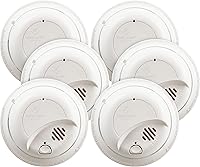
Hardwired vs Wireless Smoke Detectors: Which to Choose? (November 2026)
Choose hardwired smoke detectors for wired power and wireless detectors for easier installation without new wiring. Your home's wiring, backup power needs and interconnection plan should guide the choice.
On this page (10 sections)
- Hardwired vs wireless smoke detectors: what is the main difference?
- Which type is easier to install?
- Which option works during a power failure?
- How does interconnection differ?
- Which type gives smoke and carbon monoxide coverage?
- Which smoke sensor should you choose?
- Which option suits a new home?
- Which option suits an existing home?
- How should you maintain either type?
- What should you choose?
Choose hardwired smoke detectors for existing compatible wiring, or wireless smoke detectors when you want simpler installation without running cable. The better fit depends on more than the power source.
You also need to consider whether the home already has alarm wiring, whether the alarms should sound together, whether you need carbon monoxide coverage, and how much ongoing battery care suits your routine.
For a direct comparison, see hardwired vs battery smoke detectors. That comparison helps separate alarms that use household power from alarms that rely on batteries, while this guide looks more closely at the practical choice between hardwired and wireless systems.
Hardwired alarms draw power from the home's electrical system, so they can suit a new build, a remodel or an existing home with compatible alarm connections. The First Alert 9120B uses hardwired power with a 9-volt battery backup, while the Kidde combination alarm uses 120VAC power with 2-AA battery backup.
In both cases, the backup battery matters because the alarm still needs a power source when household electricity is unavailable.
Wireless alarms avoid the need to run new electrical cable. The X-Sense SD2J0AX uses a sealed 10-year battery and works as a standalone smoke alarm, while the X-Sense XP0H-WN uses a sealed 10-year battery and supports wireless interconnection.
That means wireless does not always mean isolated, but you need to check the exact model because some wireless alarms connect to one another and others do not.
Interconnection is especially important in a larger home. A standalone alarm may alert people nearby, while connected alarms can make it easier for everyone to hear an alert from another room.
The XP0H-WN can make interconnected alarms sound together without Wi-Fi or a base station, whereas the SD2J0AX does not provide that type of connection.
Sensor and detection coverage also affect the decision. The First Alert and Kidde models use ionization smoke sensing, while the two X-Sense models use photoelectric smoke detection.
The Kidde and XP0H-WN also include carbon monoxide detection, but the First Alert and SD2J0AX are smoke-only alarms.
If you're new to the topic, start with what is a smoke alarm and how it differs from a carbon monoxide alarm. This comparison focuses on the setup decision for new and existing homes, including installation, power failures, interconnection and the care each type requires.
 Best for hardwired smoke coverage
First Alert 9120B / SMI100-AC Smoke Detector
 Best for wired smoke and CO coverage
Kidde Smoke & Carbon Monoxide Detector
Hardwired vs wireless smoke detectors: what is the main difference?
Hardwired smoke detectors connect to household wiring, while wireless smoke detectors use batteries and may connect by radio. Both types can provide local alerts, but their installation and backup-power needs differ.
A hardwired alarm needs a suitable electrical connection and careful installation. The First Alert 9120B uses hardwired power with a 9-volt battery backup, while the Kidde combination alarm uses 120VAC power with 2-AA battery backup.
A wireless alarm avoids the need for new electrical cable. The X-Sense SD2J0AX is a standalone battery-powered smoke alarm, while the X-Sense XP0H-WN supports wireless interconnection without Wi-Fi.
Your existing alarm wiring is the first decision point. If the home already has compatible wiring and mounting locations, hardwired alarms can fit the system with less planning than starting from scratch.
If it does not, wireless alarms may reduce installation work.
Which type is easier to install?
Wireless smoke detectors are usually simpler to install because they don't need new electrical wiring. Hardwired alarms make more sense when wiring is already present or when a qualified electrician is handling a new installation.
The X-Sense SD2J0AX has a 10-year built-in battery and no-wire installation. Its one-button design supports self-tests and nuisance-alarm silencing, and the 5-pack can cover several rooms.
The X-Sense XP0H-WN also uses a 10-year sealed battery. Its larger 5.7-inch mounting bracket can cover old screw holes and ceiling marks, but you should confirm that the current device area fits before installation.
Hardwired installation needs more care around electrical connections, mounting and compatible alarm systems. The First Alert includes mounting brackets with hardware, and the Kidde alarm includes brackets, but the power connection still needs to match the home.
For new construction or major remodeling, plan alarm locations before walls and ceilings are closed. For an existing home, count the current alarms, check their wiring and decide whether you need the same type of interconnection.
See our guide to the best hardwired smoke detectors if you already have compatible wiring and want to compare hardwired options.
Which option works during a power failure?
Hardwired alarms need battery backup for protection when household power stops. Wireless alarms already rely on batteries, so their main care task is monitoring the battery condition and replacing the alarm when its sealed battery reaches the end of its service period.
The First Alert uses a 9-volt backup battery. The Kidde smoke and CO alarm uses 2-AA battery backup with its 120VAC connection.
A wireless alarm does not lose its power source just because the home's electrical service stops. The X-Sense SD2J0AX and XP0H-WN each use a 10-year battery design, although the exact installation and replacement schedule should follow the instructions for the model.
Battery backup does not remove the need for regular testing. Press each alarm's test control as directed, keep the units free of dust, and respond to low-battery warnings promptly.
For a wired alarm that keeps chirping, our guide on why a hardwired smoke detector is chirping covers common checks and safe next steps.
How does interconnection differ?
Hardwired interconnection uses compatible wiring, while wireless interconnection uses a radio link between supported alarms. A standalone alarm does not alert every other alarm in the home.
The First Alert can connect with compatible BRK or First Alert smoke detectors. Its system can include up to 18 compatible devices, with the product information describing up to 12 other compatible smoke alarms and 6 compatible devices such as bells, horns, repeaters and door closers.
The Kidde alarm supports up to 24 Kidde devices, with limits on initiating devices. Compatibility matters, so do not assume that every hardwired alarm can connect to every other brand.
The X-Sense XP0H-WN supports wireless interconnection. If one connected alarm detects smoke or CO, the interconnected alarms sound together.
It does not use Wi-Fi and cannot be used with a base station.
The X-Sense SD2J0AX is different. It works independently and does not support wireless interconnection, Wi-Fi, app alerts or base station use.
If all alarms need to sound together, compare the exact connection system before buying. Our guide to whether smoke detectors need to be hardwired explains why local rules and the home's wiring both matter.
Which type gives smoke and carbon monoxide coverage?
Choose a combination alarm when you want smoke and carbon monoxide detection in one device. A smoke-only alarm can cover smoke, but it does not replace a CO detector.
The Kidde combines ionization smoke sensing and carbon monoxide detection. Its voice alert can identify fire, carbon monoxide or low battery, and its hush feature silences the unit for about 9 minutes.
The X-Sense XP0H-WN combines photoelectric smoke detection with electrochemical CO detection. It provides this coverage in a wireless, 3-pack format with 10-year sealed batteries.
The First Alert 9120B is a hardwired smoke alarm with ionization sensing and battery backup. The X-Sense SD2J0AX is a battery-powered photoelectric smoke alarm and does not include CO detection.
A combination alarm can reduce the number of separate devices on a ceiling, but check placement guidance for smoke and CO alarms. Use the coverage plan for the home, not just the number of devices in the box.
Which smoke sensor should you choose?
Choose photoelectric sensing when reducing cooking-related nuisance alarms is a priority, or ionization sensing when you want a detector designed around fast flaming fires. Sensor type is one part of the decision, and it does not replace correct placement and maintenance.
The First Alert and Kidde alarms use ionization sensing. Their product information describes detection of smoke particles from fast flaming fires.
The X-Sense SD2J0AX uses photoelectric sensing and is designed to reduce unwanted alarms from everyday cooking fumes and steam. The XP0H-WN uses photoelectric smoke detection alongside electrochemical CO detection.
Place smoke alarms in the locations required by local rules and the alarm manual. The First Alert guidance calls for one on each level and in each bedroom, but your home may need a different layout based on its design and local requirements.
For a closer look at photoelectric options, see the best hardwired photoelectric smoke detectors.
Which option suits a new home?
Hardwired smoke detectors are often the cleaner choice when electrical wiring is being planned or installed during construction. You can design the alarm locations, power connections and compatible interconnection system before the finishing work is complete.
Hardwired alarms can provide a consistent household power source with battery backup. The First Alert and Kidde models also support interconnection with compatible devices, which can help you plan one alarm system across several rooms.
Confirm the exact wiring and compatibility requirements before installation. The number of devices, initiating-device limits and brand connections matter when you plan a larger system.
Wireless alarms can still suit a new home if you prefer battery-powered installation or need a wireless interconnected system. The XP0H-WN connects alarms without Wi-Fi, while the SD2J0AX stays standalone.
Which option suits an existing home?
Wireless smoke detectors are often the easier choice for an existing home without suitable alarm wiring. They can avoid opening finished walls or arranging new electrical connections, which may make them practical for an update to bedrooms, hallways or other rooms that need coverage.
You still need to plan placement, check the mounting surface and make sure the battery and connection design fit the home.
The X-Sense SD2J0AX suits rooms that need a standalone photoelectric smoke alarm. Its 5-pack can help cover several locations without running cable, and the 10-year built-in battery reduces routine battery changes.
It does not provide carbon monoxide detection, Wi-Fi, app alerts or wireless interconnection, so each alarm works independently.
The X-Sense XP0H-WN is a better fit when an existing home needs connected smoke and carbon monoxide alerts without hardwiring. Its sealed 10-year battery reduces regular battery replacement, and the interconnected alarms can sound together when one detects smoke or CO.
It does not use Wi-Fi or a base station, so the connection is limited to the supported wireless alarm system.
Before mounting the XP0H-WN, check the area left by the current alarm. Its larger 5.7-inch bracket can cover old screw holes and ceiling marks, but the existing device area still needs to fit the bracket.
Follow the setup instructions for pairing and placement, then test the alarms after installation.
If the home already has hardwired alarms, replacing them with another compatible hardwired model may keep the existing system simpler. The First Alert and Kidde products both require attention to supported devices, wiring and backup batteries, so do not assume that an alarm from another brand will connect correctly.
How should you maintain either type?
Test every alarm on the schedule in its instructions, keep the sensor openings clean, and replace batteries or complete units when required. A sealed 10-year battery does not mean the alarm can be ignored for 10 years.
Use the test or hush control as directed. The First Alert has a single test and silence button, the Kidde has a test-hush feature, and both X-Sense models include one-button or simple control features described for their designs.
Keep alarms where they can be heard and reached for testing. Do not paint over them, block their openings or remove them because of nuisance alarms without correcting the cause.
For a simple check routine, see our guide to the best smoke detector tester. If anyone in the home may not hear an audible alarm, review options in the best smoke detector for deaf people.
What should you choose?
Pick hardwired smoke detectors when the home has suitable wiring or you are planning electrical work. Pick wireless smoke detectors when you need easier installation, and choose wireless interconnection if every connected alarm should sound together.
Choose the First Alert for a 3-pack of hardwired smoke alarms with ionization sensing and 9-volt backup. Choose the Kidde when you want hardwired smoke and CO detection with voice alerts and 2-AA backup.
Choose the X-Sense SD2J0AX for standalone photoelectric alarms with 10-year batteries and no wiring. Choose the X-Sense XP0H-WN for wireless interconnected smoke and CO coverage without Wi-Fi.
The best hardwired vs wireless smoke detectors are the ones that fit your home's wiring, coverage plan and maintenance routine. Check local requirements and the exact alarm instructions before installation.
Frequently asked questions
Are hardwired smoke detectors better than wireless ones?
Hardwired smoke detectors suit homes with compatible wiring because they use household power and can include battery backup. Wireless detectors suit existing homes where adding cable would be difficult.
Choose by installation conditions and interconnection needs, not by the power method alone.
Do wireless smoke detectors need Wi-Fi?
No. Wireless interconnection and Wi-Fi are different features.
The X-Sense XP0H-WN supports wireless interconnection so connected alarms can sound together, but it does not use Wi-Fi or a base station.
Standalone wireless alarms may not connect to one another.
Do hardwired smoke detectors still need batteries?
Many hardwired alarms use a backup battery so they can continue monitoring during a power failure. The First Alert uses a 9-volt battery backup, while the Kidde combination alarm uses 2-AA batteries.
Follow the alarm's instructions for battery checks and replacement.
Can you replace hardwired smoke detectors with wireless ones?
You may be able to replace them, but the new alarms must fit the home's safety plan and local requirements. Wireless alarms can reduce wiring work, but you need to place and interconnect them correctly.
Check the alarm manual and local fire-safety rules before changing the system.