Smoke Alarms: The Complete Buying Guide
A smoke alarm detects smoke and warns people inside with a sound. Choose one based on its sensor, power source, interconnection, placement needs and replacement date.
On this page (11 sections)
- What is a smoke alarm, and how does it work?
- Which smoke alarm sensor should you choose?
- Should you buy a hardwired, battery or sealed-battery alarm?
- Should smoke alarms be interconnected?
- Where should you put smoke alarms?
- How do you test and maintain a smoke alarm?
- When should you replace a smoke alarm?
- Should you choose a smoke-only or combination alarm?
- Which details matter most when buying a smoke alarm?
- Explore smoke & co alarms by topic
- Which smoke alarm fits your home?
A smoke alarm detects smoke and warns people inside with a sound. Choose one by comparing its sensor, power source, interconnection, placement needs and replacement date.
The right setup depends on your home. A wired alarm with battery backup may fit existing wiring, while a standalone battery model can suit a location without wiring.
If the terms are confusing, start with smoke detector vs smoke alarm. The sections below explain the main choices and how to make them work together.
What is a smoke alarm, and how does it work?
A smoke alarm senses smoke and activates an audible warning. Some models also use a light or voice message, and compatible alarms can be linked so one detected event sounds more than one unit.
A smoke alarm may use an ionization or photoelectric sensor. These sensor types detect smoke in different ways, so compare the technology and follow local fire safety guidance when choosing.
The phrase “smoke detector” is often used for an alarm people install at home. A detector can also refer to a sensor that sends a signal to a larger fire alarm system.
For the distinction, see smoke detector vs fire alarm.
Which smoke alarm sensor should you choose?
Choose an ionization or photoelectric sensor based on the type of sensing you want and your home's requirements. The sensor alone does not determine whether an alarm is suitable for every room or every fire risk.
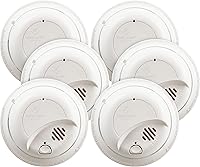
An ionization alarm responds to smoke particles associated with fast flaming fires. The BRK First Alert 9120BFF/ SMI100-AC uses an ionization sensor and can interconnect with compatible BRK or First Alert alarms.
A photoelectric alarm uses light to sense smoke. X-Sense says its photoelectric models help reduce unwanted alarms from everyday cooking fumes and steam, which may matter if kitchen nuisance alarms are a concern.
Some homes use more than one sensor type or combination alarms to cover different needs. Review ionization vs photoelectric smoke detectors for a closer comparison, and check which type of smoke detector is best for your home.
What does UL 217 mean for a smoke alarm?
UL 217 is a safety standard for smoke alarms. Certification or listing language can help you compare products, but confirm the exact marking on the alarm and its package.
The X-Sense SD2J0AX is described as ETL listed to meet UL 217. Learn more about smoke detector UL 217 and smoke detector UL listing.
Should you buy a hardwired, battery or sealed-battery alarm?
Choose power based on the home's wiring, local requirements and how you plan to maintain the alarm. A hardwired alarm can include a battery backup, while battery models do not need a wired connection.
Hardwired alarms connect to household wiring. Models such as the BRK First Alert 9120BFF/ SMI100-AC also have battery backup, so they can keep operating during a power outage.
Installation and compatibility depend on the wiring already in place.
Replaceable-battery alarms run from batteries you replace as needed. They can suit locations without wiring, but you need to keep the correct battery installed and respond to low-battery warnings.
Sealed-battery alarms have a battery built in for a stated service period. X-Sense describes the SD2J0AX battery as lasting up to 10 years.
Check the alarm's instructions and replace the entire unit when its service life ends.
If you are comparing wired and battery options, see best hardwired smoke detectors and best battery-powered smoke detectors. For battery changes, follow how to change a smoke detector battery.
Should smoke alarms be interconnected?
Interconnected alarms can sound together when one compatible unit detects smoke. Compare interconnected photoelectric smoke alarms for this setup.
This may help people elsewhere in the home hear an alert, especially when a door is closed or the alarm is far away.
Some wired alarms connect to compatible alarms through the home's wiring. Wireless systems use radio links instead, and standalone alarms work on their own.
Compatibility depends on model and system, so check that before mixing alarms.
The BRK models here can connect with compatible BRK or First Alert alarms. The X-Sense SD2J0AX is standalone, with no wireless interconnection, Wi-Fi or app alerts.
Compare best interconnected smoke alarms if you want multiple alarms to sound together. A best smart smoke detectors guide can help if you want connected features, while best smoke detector with voice alert covers voice messages.
Where should you put smoke alarms?
Place smoke alarms on every level and in or near sleeping areas, following local code and each alarm's instructions. The right location helps people hear the warning and gives the alarm a chance to sense smoke.
Avoid placing an alarm where cooking fumes, steam or airflow may cause problems unless its instructions allow that location. Do not guess at spacing or mounting height: use the unit's manual and local fire department guidance.
Consider how the alarm will be heard from bedrooms and other closed rooms. Voice alerts or interconnected alarms may help with alert awareness, but they do not replace correct placement.
Use our guide to where to mount a smoke detector for placement details. If an alarm needs an unusual surface or base, see best smoke detector mounting bracket.
How do you test and maintain a smoke alarm?
Test the alarm with its test button as directed by the manual and keep it clean and powered. A test confirms the unit can sound, but it does not confirm every part of the home's fire safety setup.
Test on the schedule recommended by the alarm maker and local fire safety guidance. If the alarm uses replaceable batteries, change them when the low-battery warning sounds or as instructed.
Dust and other buildup can affect an alarm, so follow the cleaning method in its manual. Never disable an alarm because of nuisance alerts; address the cause or move the unit only when the instructions and local guidance permit.
For step-by-step help, read how to test a smoke detector. If it chirps, use how to stop a smoke detector from beeping.
When should you replace a smoke alarm?
Replace a smoke alarm when it reaches the service life in its instructions or label, or when it fails a test and troubleshooting does not fix the problem. Check the date on the alarm itself rather than relying on memory.
A new alarm may not fit the existing wiring or connector. Before removing a hardwired unit, confirm the replacement is compatible and follow the installation instructions; use a qualified electrician if wiring work is needed.
Alarm models change, so identify the exact model and system before you shop. See smoke detector replacement for the factors to compare, and what model replaces the First Alert SC9120B for a model-specific question.
Should you choose a smoke-only or combination alarm?
Choose a smoke-only alarm if you need smoke detection in that location, or a combination alarm if you also need carbon monoxide detection. These devices address different hazards and must be installed where their instructions and local codes allow.
Do not assume a smoke alarm detects carbon monoxide. A combination unit should be clearly identified for both functions, and its placement should follow the instructions for each hazard.
Compare best combination smoke and CO detectors if you want both types of warning in one device. For a separate hazard, Radon Monitors with Alarm System: A Useful Guide explains how radon monitors use alarms.
Which details matter most when buying a smoke alarm?
Start with the required sensor, power and connection type for your home. Then check placement guidance, testing steps, service life and whether the alarm can work with your existing units.
- Sensor: Choose ionization or photoelectric, or a combination, based on your needs and local guidance.
- Power: Match hardwired or battery power to the location and installation requirements.
- Backup: A battery backup can keep a hardwired alarm operating during a power outage.
- Connection: Check whether alarms are standalone, wired-interconnected or wirelessly interconnected.
- Controls: A test and silence button can make routine checks and nuisance-alert response easier.
- Service life: Find the alarm's replacement date and plan to replace it on time.
- Certification: Look for the applicable safety standard and certification marks.
Brand names alone do not answer these questions. Compare models by the features that matter to your home's wiring and layout, including X-Sense vs Kidde smoke detector and Kidde smoke detectors vs First Alert.
For more options, browse best smoke detectors for home, best X-Sense smoke detectors, best Kidde smoke detectors and best First Alert smoke and fire alarm. If you are curious about the device category, read is a smoke detector an appliance and smoke detector vs fire detector.
Explore smoke & co alarms by topic
- How to Choose a Smoke Detector
- How to Install Hardwired Smoke Detectors
- Smoke Detectors with Lights: What to Look For
- Best Portable Carbon Monoxide Detectors for Travel
- Best Industrial Carbon Monoxide Detectors
- Best Carbon Monoxide Detectors for Home
- Plug-In vs Battery Carbon Monoxide Detectors: Which Should You Choose?
- Best Carbon Monoxide Detectors with Digital Displays
- What to Do When a Carbon Monoxide Detector Goes Off
- How to Choose a Replacement Carbon Monoxide Detector
- Best Smart Carbon Monoxide Detectors
Which smoke alarm fits your home?
Choose a hardwired alarm with backup power when it matches existing wiring and local requirements. Choose a battery model when you need a standalone option, and consider an interconnected system if alarms in different rooms should sound together.
The BRK First Alert models suit compatible wired systems, while the X-Sense alarms here are standalone battery models with photoelectric sensing. If you're also setting up humidity control in a damp area, see which dehumidifier to buy.
Frequently asked questions
What is a smoke alarm?
A smoke alarm senses smoke and sounds a warning for people in the area. Some alarms work alone, while compatible interconnected alarms can sound together.
Smoke alarms can use ionization or photoelectric sensing and may run on batteries or household wiring.
Should I choose an ionization or photoelectric smoke alarm?
Both sensor types detect smoke, but they use different methods. Ionization alarms respond to particles associated with fast flaming fires, while photoelectric alarms use light to sense smoke.
Check local requirements and product guidance when deciding which type fits your home.
Are hardwired smoke alarms better than battery alarms?
Hardwired alarms connect to household electrical wiring and may include battery backup, while battery alarms can work without wiring. The right choice depends on your home's existing setup, local rules and installation needs.
Follow the alarm instructions and use backup power where the model provides it.
Where should smoke alarms go?
Install smoke alarms on every level and in or near sleeping areas according to local code and the alarm instructions. Placement affects how quickly people hear a warning.
Check guidance for ceilings, walls, kitchens and other areas where cooking fumes or steam may trigger nuisance alarms.
How often should I test a smoke alarm?
Use the test button on the schedule in the alarm manual and follow local fire safety guidance. Testing checks whether the alarm can sound, but it does not replace cleaning, battery maintenance or replacing an alarm that has reached the end of its service life.
When should a smoke alarm be replaced?
Replace a smoke alarm when its manual or label says it has reached the end of its service life, or if it fails a test and troubleshooting does not resolve the issue. Check the manufacture or replacement date on the unit and follow the maker's instructions.