X-Sense vs Kidde Smoke Detectors: Which Should You Choose? (November 2026)
Choose X-Sense for sealed-battery, standalone smoke alarms, or Kidde for hardwired interconnect systems and combination smoke and CO protection. Your wiring, sensing needs and home layout should decide between these ranges.
On this page (8 sections)
- X-Sense vs Kidde smoke detector: what is the main difference?
- Which brand is easier to install?
- Which sensing technology should you choose?
- Do you need interconnected alarms?
- How do power choices affect daily care?
- Which products suit a multi-room home?
- What should you check before buying?
- X-Sense vs Kidde: which should you choose?
Choose X-Sense for sealed-battery, standalone smoke alarms, or Kidde for hardwired interconnect systems and combination smoke and CO protection. This comparison matches the alarm to the room, the power available, and the protection you need.
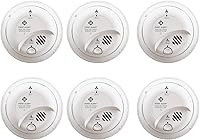
X-Sense offers the simplest no-wire route in this group. Its SD2J0AX alarms use photoelectric sensing and sealed lithium batteries designed to last up to 10 years.
That sealed design suits people who want to avoid routine battery changes. You still need to test the alarm and follow the care instructions for the full unit.
The photoelectric sensor helps reduce unwanted alarms from everyday cooking fumes and steam. That can matter where a kitchen sits close to a living area or hallway.
Kidde gives more installation choices across these models. The plug-in Kidde Carbon Monoxide Detector focuses on CO protection, while the hardwired Kidde Smoke & Carbon Monoxide Detector combines smoke and CO detection in one alarm.
The plug-in Kidde unit uses a standard 120V outlet with 2-AA battery backup. Placement is simple where a suitable outlet exists, but the outlet location limits where it can sit.
The hardwired Kidde model uses 120VAC power with 2-AA battery backup. It suits a home that already has compatible wiring and a planned alarm layout.
Connectivity is another main difference. The X-Sense SD2J0AX models work independently, with no Wi-Fi, app alerts, base station use, or wireless interconnection.
The Kidde combination model can interconnect with up to 24 Kidde devices, subject to its stated limits. That can alert people in another room or on another floor when the system is set up for it.
Coverage also differs by model. X-Sense here covers smoke only, the plug-in Kidde covers carbon monoxide only, and the hardwired Kidde covers both smoke and CO, so check the alarm type before you compare power or price.
Your wiring should guide the first decision. A no-wire X-Sense alarm fits a rental or finished room more easily, while a hardwired Kidde alarm fits a planned wired system.
The right choice is not one brand over the other. It is the model that matches your power, room, sensing needs, and need for alarms to sound together.

 Best for hardwired interconnect
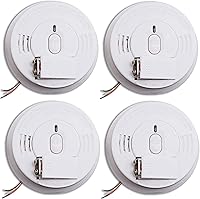
Kidde Smoke & Carbon Monoxide Detector
X-Sense vs Kidde smoke detector: what is the main difference?
X-Sense is the easier choice for standalone battery smoke alarms, while Kidde is the stronger fit for hardwired or combination coverage. Neither brand is automatically best for every room.
The X-Sense SD2J0AX is a smoke-only alarm with photoelectric sensing. It works independently, with no Wi-Fi, app alerts, base station or wireless interconnection.
The Kidde KN-COSM-IBA is a hardwired smoke and CO alarm with ionization smoke sensing, voice alerts and 2-AA battery backup. It can connect with up to 24 Kidde devices, subject to its stated initiating-device limits and compatible installation.
The separate Kidde Carbon Monoxide Detector plugs into a standard 120V outlet and adds 2-AA battery backup. It is a CO detector, not a replacement for a smoke alarm.
If you need a basic explanation of alarm types, start with what is a smoke alarm. That guide can help you separate smoke detection from carbon monoxide protection before you compare brands.
Which brand is easier to install?
X-Sense is easier when you want no-wire installation. The SD2J0AX alarms are battery powered and include mounting hardware for installation without wiring or an electrician.
The X-Sense 1-pack suits one location, such as a bedroom or hallway. The 5-pack suits homes that need several standalone smoke alarms across bedrooms, living areas, basements or hallways.
Kidde installation depends on the model. The Kidde carbon monoxide detector plugs into a standard 120V outlet, while the Kidde combination alarm uses a 120VAC hardwired connection.
A hardwired alarm can make sense when your home already has compatible wiring and you want connected alarms. It is less flexible when you are adding protection in a rental or a room without an existing alarm connection.
Our guide on how to choose a smoke detector covers placement, power and sensing decisions in more detail.
Best X-Sense choice for no-wire smoke coverage
This model is a practical fit when you want a single alarm without running wiring. Its one-button control handles self-tests and nuisance-alarm hush functions.
The sealed lithium battery can reduce routine battery changes and low-battery interruptions over its stated life. You still need to run regular self-tests and follow the installation and care instructions.
The important trade-off is connectivity. This SD2J0AX model works independently, so alarms in different rooms will not sound together through Wi-Fi, an app or wireless interconnection.
Best Kidde choice for a plug-in CO alarm
This unit plugs into a standard 120V outlet, which keeps installation simple where a suitable outlet is available. The battery backup helps maintain protection during a power outage.
Peak Level Memory records the last time carbon monoxide was detected or when the unit was tested. The Test-Hush button supports testing and can silence false alarms for about 8 minutes.
Because it detects carbon monoxide, it should be considered alongside smoke alarms rather than used as a smoke alarm replacement. Install the right alarm type for each area and follow local code and manufacturer guidance.
Which sensing technology should you choose?
Choose photoelectric X-Sense alarms for standalone smoke coverage, and choose the Kidde combination model when its ionization sensing and hardwired design fit your home. Sensing type is only one part of the decision.
The X-Sense SD2J0AX uses photoelectric sensing and is described as helping reduce unwanted alarms from cooking fumes and steam. That can be useful in homes where kitchens or living areas are close to alarm locations.
The Kidde KN-COSM-IBA uses ionization sensing for smoke and also detects carbon monoxide. It adds voice alerts that identify fire, carbon monoxide or low battery conditions.
These features serve different needs. A photoelectric smoke-only alarm keeps the setup simple, while a combination alarm can reduce the number of separate devices when hardwired installation is available.
For a broader comparison of sensing options, read which type of smoke detector is best. Room use, placement and local requirements matter alongside the sensor label.
Do you need interconnected alarms?
Choose an interconnected system when you want one alarm to alert people throughout the home. The Kidde combination model supports up to 24 Kidde devices, while the X-Sense SD2J0AX models here are standalone.
Interconnection is useful in larger homes where a distant alarm may be hard to hear. A connected alarm in one area can alert people in bedrooms or on another floor, depending on the system and installation.
The Kidde model is designed for a hardwired interconnect arrangement. Check compatibility before adding it to an existing system, because the connected devices need to work together.
The X-Sense models in this comparison do not provide wireless interconnection. If that feature is essential, compare models made for it rather than assuming every X-Sense smoke detector has the same connection system.
Our guide to the best X-Sense interconnected smoke detector is the better next step if you want X-Sense alarms that sound together.
How do power choices affect daily care?
Sealed batteries reduce routine replacement, hardwiring supports a connected system, and plug-in power keeps a CO detector simple to place. Each option has a different maintenance trade-off.
The X-Sense alarms use sealed lithium batteries designed for up to 10 years. You do not replace the battery during normal operation, but you should still test the alarm and replace the entire unit according to its instructions.
That sealed design can reduce low-battery interruptions in bedrooms, hallways, and rental homes. It also means the battery is not a separate item you can swap when the alarm reaches the end of its stated life.
The Kidde combination alarm uses 120VAC power with 2-AA battery backup. That gives it wired power during normal operation and backup protection during an outage.
With that model, the 2-AA batteries still need attention during normal care. The backup role matters most when power fails, so keeping the batteries in good condition is part of routine ownership.
The Kidde CO detector plugs into a standard 120V outlet and uses 2-AA battery backup. Its outlet location affects where you can place it, so check that the unit will remain accessible and unobstructed.
Plug-in placement can be simple, but it is less flexible than a battery alarm that can be mounted in more locations. Choose an outlet that stays in normal use and does not leave the detector easily blocked.
Do not choose a power type without checking your home. A hardwired model may need existing compatible wiring, while a battery model may be easier in a rental or finished room.
Which products suit a multi-room home?
Choose the X-Sense 5-pack for several standalone smoke locations, or choose the Kidde 2-pack when you have compatible hardwired wiring and want smoke plus CO coverage.
The 5-pack uses the same SD2J0AX model as the 1-pack. Its main advantage is coverage across multiple locations without wiring or an electrician.
Place alarms according to the manufacturer's instructions and local requirements. A group of standalone alarms can protect multiple rooms, but they will not automatically alert one another.
This Kidde model is better suited to a planned wired installation than a quick no-wire upgrade. Its ionization smoke sensor, CO detection and voice alerts give it broader alarm coverage than a smoke-only device.
Its interconnect support can help when several compatible Kidde devices are part of the same system. Confirm wiring and device compatibility before installation, and follow the instructions for the full arrangement.
For more hardwired options, see the guide to best hardwired smoke detectors 4 pack. If you want a wider home-focused shortlist, the best smoke detectors for home guide can help you compare use cases.
What should you check before buying?
Check smoke versus CO coverage, power, sensing, interconnection and room placement before choosing a brand. Those details affect safety and everyday use more than the logo on the alarm.
First, decide whether you need smoke detection, carbon monoxide detection or both. The X-Sense models here detect smoke only, the Kidde plug-in model detects CO, and the Kidde hardwired model combines smoke and CO detection.
Next, check the power available at the installation point. X-Sense needs no wiring, the Kidde CO detector needs a standard 120V outlet, and the Kidde combination alarm needs a compatible 120VAC hardwired connection.
Then decide whether alarms need to sound together. The X-Sense SD2J0AX models are standalone, while the Kidde combination model supports an interconnected arrangement with compatible Kidde devices.
Finally, consider sensing and nuisance alarms. X-Sense uses photoelectric sensing, while the Kidde combination model uses ionization smoke sensing.
Follow the instructions for placement, testing and hush functions in every room.
Use a smoke detector tester as part of routine checks, and compare options in our guide to the best smoke detector tester. Testing does not replace regular replacement and care.
X-Sense vs Kidde: which should you choose?
Choose X-Sense if you want no-wire, standalone smoke alarms with photoelectric sensing and sealed 10-year batteries. The 1-pack fits one room, while the 5-pack suits several locations.
Choose X-Sense when wiring is not available or not practical. The SD2J0AX alarms include mounting hardware and do not need an electrician for installation.
The 1-pack fits a single bedroom, hallway, or other room that needs one smoke alarm. It keeps the setup simple and avoids adding alarms you do not need.
The 5-pack fits when several rooms need matching smoke alarms. It can cover bedrooms, hallways, living areas, or basements without hardwired installation.
Standalone operation is the main trade-off with either X-Sense pack. Alarms in different rooms will not sound together through Wi-Fi, an app, or wireless interconnection.
Choose Kidde if you need hardwired interconnection or combined smoke and CO protection. The KN-COSM-IBA fits compatible 120VAC wiring, and the plug-in Kidde detector fits a room that needs CO coverage with battery backup.
The Kidde combination model suits a planned wired system rather than a quick no-wire upgrade. Its ionization smoke sensor, CO detection, voice alerts, and battery backup give it broader coverage in one unit.
Voice alerts can make the alarm easier to understand in the moment. The unit can state fire, carbon monoxide, or low battery conditions instead of relying only on tones and lights.
Interconnection is the other reason to choose that Kidde model. Up to 24 Kidde devices can be connected, subject to the stated initiating-device limits and compatible installation.
The plug-in Kidde Carbon Monoxide Detector fills a different role. It suits a room where a standard 120V outlet is available and CO protection is the priority, with an 85 dB alarm, Test-Hush button, Peak Level Memory, and 2-AA battery backup for a power outage.
For the simplest single-room smoke setup, choose the X-Sense 1-pack. For multi-room standalone smoke coverage, choose the X-Sense 5-pack.
For a wired system with voice alerts and combination detection, choose the Kidde Smoke & Carbon Monoxide Detector. For plug-in CO protection, choose the Kidde Carbon Monoxide Detector.
Before you buy, confirm power at the installation point, the alarm type you need, and whether alarms must sound together. Those three checks will point you to the better fit more reliably than the brand name alone.
Frequently asked questions
Is X-Sense better than Kidde for smoke detectors?
X-Sense is better for no-wire smoke alarms with sealed 10-year batteries and photoelectric sensing. Kidde is better when you need hardwired interconnection, voice alerts or a smoke and carbon monoxide combination alarm.
The right choice depends on your existing wiring and whether alarms need to sound together.
Do X-Sense smoke detectors interconnect?
The SD2J0AX X-Sense smoke detectors in this comparison operate independently. They do not use Wi-Fi, app alerts, a base station or wireless interconnection.
Choose an X-Sense model made for wireless interconnection if you want multiple alarms to sound together.
Can Kidde smoke detectors work without hardwiring?
The Kidde KN-COSM-IBA in this comparison uses a 120VAC hardwired connection with 2-AA battery backup. It is suited to homes with compatible wiring.
The Kidde carbon monoxide detector is a separate plug-in unit that uses a standard 120V outlet.
Are X-Sense smoke alarms photoelectric?
Yes. The X-Sense SD2J0AX models here use photoelectric sensing.
That design is described as helping reduce unwanted alarms from everyday cooking fumes and steam.
They are standalone smoke alarms, so they do not add carbon monoxide detection or connected alerts.
Should you choose a smoke and CO combination alarm?
Choose a combination alarm when you want smoke and carbon monoxide detection in one device and the installation supports it. The Kidde KN-COSM-IBA combines ionization smoke sensing with CO detection, voice alerts and battery backup.
A smoke-only X-Sense alarm does not cover CO.