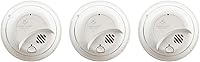
How to Dispose of a Kidde Carbon Monoxide Detector
Remove the battery, separate it from the alarm, and follow your local rules for electronic waste or household trash. Don't place a battery-powered Kidde carbon monoxide detector in curbside recycling unless your program accepts it.
On this page (7 sections)
- When should you dispose of a Kidde carbon monoxide detector?
- How do you prepare a Kidde CO alarm for disposal?
- Can you recycle a Kidde carbon monoxide detector?
- Can a Kidde CO alarm go in household trash?
- Which replacement helps before disposal?
- What should you do after removing the old alarm?
- What is the safest Kidde carbon monoxide detector disposal plan?
To dispose of a Kidde carbon monoxide detector, remove its battery, separate the alarm from other waste, and follow your local electronic waste or household trash rules. Keep a working replacement in place before taking the old unit down.
Kidde CO alarms can contain electronics, plastic, and a battery. The correct disposal route depends on your local waste program and whether the battery is removable, so check your city, county, or state instructions before drop off.
This matters most when the unit has reached the end of its service life or shows an end of life signal. Leaving an expired alarm in place does not protect the household, but removing it without a replacement creates a gap in warning.
For a plug in Kidde model, unplug the alarm first and then remove its backup battery. The Kidde KN-COPP-3 uses a 9V battery for backup during a power outage, and that battery needs its own disposal path.
Some Kidde alarms may use a different battery type or a sealed design. Read the label or manual on your exact unit so you do not assume every model is handled the same way.
Once the battery is out, keep it separate from the alarm body. Store it safely until you can take it to a battery collection point that accepts its type.
Do not place a loose battery in household trash or curbside recycling unless your local program says to do so. Many areas collect batteries separately because they need different handling from plastic and electronics.
For the alarm itself, ask whether your area treats small CO detectors as electronic waste. Some programs accept them at a drop off, while others allow household trash once the battery has been removed.
When should you dispose of a Kidde carbon monoxide detector?
Dispose of a Kidde carbon monoxide detector when it reaches the end of its service life, shows an end-of-life signal, or no longer works correctly after basic checks. A detector that is expired should not remain your only warning device.
Replace the alarm before removing it from service. If you are unsure whether the issue is age, a low battery, or a fault, read our guide to when to replace a Kidde carbon monoxide detector.
A detector that displays an error, chirps repeatedly, or fails a test may need replacement. A fault signal is not the same as a confirmed carbon monoxide reading, so leave the alarm installed until you have a working replacement.
How do you prepare a Kidde CO alarm for disposal?
Unplug the alarm, remove it from the wall or outlet, and take out any removable battery. Handle the unit gently and keep the battery away from loose metal objects.
For a plug-in model, disconnect the alarm from the outlet before disposal. If it has a wall-mount option, remove the alarm from its mounting hardware without damaging the wall or wiring.
Some alarms include a 9V battery backup. Other models use 2 AA batteries.
Read the label or manual to identify the battery type before taking it to a collection point.
Never cut open the alarm to reach a sealed battery. If the battery cannot be removed, ask your local waste authority or an electronic-waste facility how it should be handled.
What should you do with the old battery?
Recycle the battery through a collection program that accepts its type. Do not put a loose 9V or AA battery in a curbside recycling bin unless your local program specifically accepts it.
Cover exposed battery terminals with nonconductive tape if your local collection instructions recommend it. Keep batteries dry and store them where children and pets cannot reach them until drop-off.
Don't combine loose batteries with household metal, tools, or coins. Contact your local recycling center if you are unsure whether it accepts 9V or AA batteries.
Can you recycle a Kidde carbon monoxide detector?
You may be able to recycle a Kidde carbon monoxide detector through an electronic-waste program, but acceptance varies by location. Check the program's rules before bringing the alarm to a drop-off site.
Search your local government waste page for terms such as “electronic waste,” “household hazardous waste,” or “battery recycling.” Ask whether the site accepts small plug-in alarms with the battery removed.
Some programs accept the plastic and electronic parts together. Others handle alarms as household trash after battery removal.
Follow the local instruction rather than assuming that every electronics center accepts smoke or CO alarms.
The alarm's plastic enclosure does not automatically make it suitable for curbside plastic recycling. Small electronics can contain circuit boards and other parts that need a different process.
Can a Kidde CO alarm go in household trash?
A local waste authority may allow a household CO alarm in regular trash after battery removal. That answer is not universal, so confirm the rule where you live.
Keep the old alarm out of trash until you know whether your area requires electronic-waste drop-off. If disposal is allowed, place the battery in its separate collection stream and wrap the alarm only as directed by local instructions.
Don't burn, crush, drill, or dismantle the alarm. Don't leave it in a public recycling bin that does not list small electronics as accepted material.
For ionization smoke alarms, disposal advice can involve additional local rules. Our guide to how to dispose of ionization smoke detectors explains that process separately.
Which replacement helps before disposal?
Install a replacement before you remove the old alarm. The right choice depends on whether you want a plug-in CO alarm, battery backup, a digital display, or added gas detection.
Who suits the Kidde Carbon Monoxide Detector?
The Kidde Carbon Monoxide Detector suits readers who want a plug-in alarm with a 9V battery backup, digital display, 85 dB alarm, and LED status lights. It plugs into a standard 120V outlet and includes one 9V battery.
The digital display shows the CO level the alarm is sensing. Peak Level Memory records the last detected level or the last test event, which can help you review what happened after an alert.
Keep the new alarm connected to power and maintain its battery according to the instructions. If you want to understand how a detector should respond during a check, read how to test a carbon monoxide detector.
Who suits the First Alert Plug in Carbon Monoxide Alarm?
The First Alert Plug in Carbon Monoxide Alarm suits readers who want a plug-in alarm with a digital display, electrochemical sensor, AA battery backup, and end-of-life signal chirp. It works with a standard outlet, while the battery backup supports monitoring during a power failure.
Its peak-level feature displays the highest CO concentration measured. The alarm uses an 85 dB sounder, and the display shows current CO and power information.
The battery is for backup use and is not intended to power the alarm for an extended period without AC power. Check that the outlet has power and hold the test button after installation.
Who suits the gas and CO Kidde detector?
The Kidde Carbon Monoxide Detector suits readers who want CO and explosive-gas detection in one plug-in alarm. It detects carbon monoxide along with propane, natural gas, methane, and other explosive gas types identified in its product description.
The digital display shows the CO level or displays “GAS” when explosive gas is detected. It also has a 9V battery backup and an 85 dB alarm.
Choose this type only if combined gas and CO detection fits your home. For a separate replacement decision, see how to choose a replacement carbon monoxide detector.
What should you do after removing the old alarm?
Confirm that the replacement is powered, installed in the right location, and tested before disposal of the old unit. Place alarms on each level and near sleeping areas according to the product instructions and local safety guidance.
Use the test control after installation. A test confirms that the alarm can produce its test signal, but it does not replace regular battery care or the need to replace an expired unit.
If you hear two beeps rather than the expected test pattern, read why a Kidde carbon monoxide detector makes two beeps. If the display shows an error, see why a Kidde carbon monoxide detector shows ERR.
A carbon monoxide detector tester may help with a planned maintenance check, but follow the detector and tester instructions. Our guide explains which carbon monoxide detector tester may suit your setup.
What is the safest Kidde carbon monoxide detector disposal plan?
Replace the old alarm first, remove its battery, recycle the battery separately, and ask your local waste program whether the alarm belongs in electronic waste or household trash. That process covers the main safety and disposal decisions without assuming every city follows the same rule.
Install and test the replacement before you take the old unit out of service. This avoids a period with no working CO warning in that part of the home.
Choose the plug in Kidde model if you want a 9V backup and digital CO display. The 85 dB alarm and peak level memory may also fit a household that wants clear alerts and a record of the last detected level.
Choose the First Alert if AA backup and an end of life chirp fit your routine. Its digital display shows current CO and power information, which can make routine checks simpler.
Choose the gas and CO Kidde model if you also need explosive gas detection. That added function suits homes where combined detection is the priority rather than CO monitoring alone.
Dispose of the old unit only after the replacement is working. Keep the battery out of regular trash unless your local authority gives different instructions.
Frequently asked questions
Can I throw a Kidde carbon monoxide detector in the trash?
Usually, a household carbon monoxide alarm can go in regular trash after you remove its battery, but local rules differ. Check your waste authority before disposal, especially if the unit contains a sealed backup battery or your area collects electronic waste separately.
Never place a loose battery in household trash.
How do I recycle a Kidde carbon monoxide detector?
Remove any removable battery and take the alarm to an electronic-waste or household hazardous-waste program if your local authority accepts these devices. Some recycling programs accept small electronics, while others direct residents to regular trash after battery removal.
Confirm the rules before dropping it off.
Do I need to remove the battery before disposing of a CO alarm?
Yes, remove a removable battery before disposing of a carbon monoxide alarm. Keep the battery separate and use a battery-recycling collection point or another local option that accepts that battery type.
A sealed battery alarm may need a different disposal route.
Should I replace a Kidde carbon monoxide detector before disposing of it?
Yes, install a working replacement before removing the old alarm from service. Check the alarm's replacement guidance, age, power source, and end-of-life signals.
For help deciding when to replace one, see our guide to Kidde carbon monoxide detector replacement.